Dill Pickles That Aren't Just for Cucumbers
A quick-pickle dill brine applied to green beans, carrots, onions, and eggs, no canning equipment required.
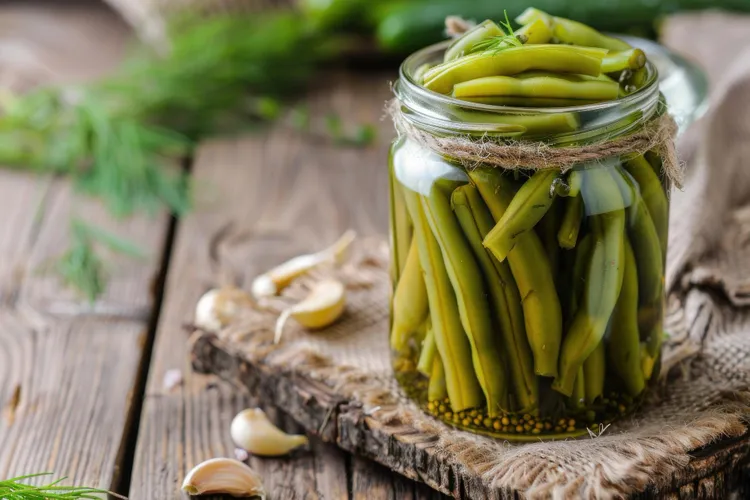
Dill and vinegar brine work on far more than cucumbers. A single quick-pickle base, refrigerator style rather than shelf-stable canning, adapts easily to whatever vegetables (or eggs) are on hand, and it's one of the fastest ways to use up a dill surplus alongside a vegetable glut.
Base Quick-Pickle Brine
Combine 1 cup water, 1 cup white vinegar, 2 tablespoons sugar, and 1 tablespoon salt in a small saucepan. Bring to a simmer just until the sugar and salt dissolve, then remove from heat and let cool slightly. This makes enough brine for about 2 cups of packed vegetables.
- Pack a clean jar with the vegetable of choice, cut to fit, along with several sprigs of fresh dill and a smashed garlic clove
- Pour the warm (not boiling) brine over the vegetables until fully submerged
- Let cool to room temperature, then seal and refrigerate
- Wait at least 24 hours before eating; flavor improves over 3 to 5 days
These are refrigerator pickles, not shelf-stable canned goods, and should be kept cold and eaten within about 3 to 4 weeks.
Green Beans
Trim beans to fit the jar and blanch briefly, about 2 minutes in boiling water followed by an ice bath, before pickling. This keeps them crisp rather than overly soft once pickled. Dill and green beans are a particularly good match, since the beans hold their snap well in brine.
Carrots
Cut into spears or thin coins and pack raw; carrots don't need blanching first and hold a satisfying crunch straight from raw. A little extra dill relative to the other pickles here suits carrots especially well.
Onions
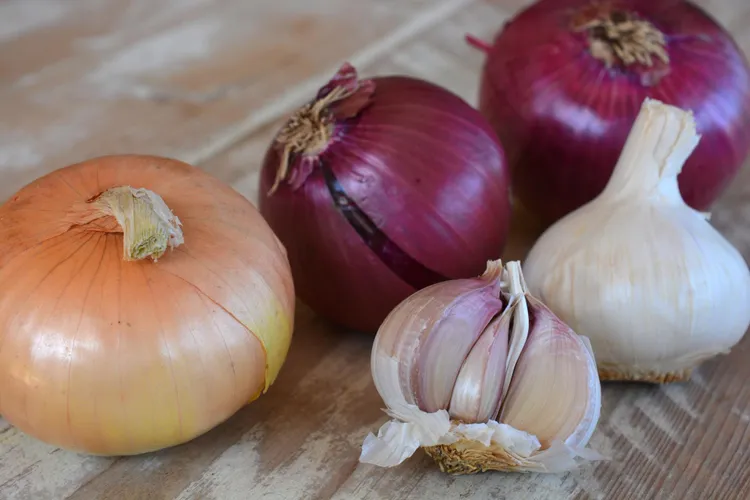
Thinly slice red or white onion and pack loosely rather than tightly, since onion releases some of its own liquid into the brine. These are ready faster than other vegetables, often good within just a few hours, and make an excellent topping for sandwiches, tacos, or salads.
Eggs
Use hard-boiled, peeled eggs and let them sit in the brine for at least 3 to 4 days for the flavor to penetrate fully; a shorter soak affects only the surface. Quick-pickled dill eggs are a distinct snack from deviled eggs and hold up well as a make-ahead protein for lunches.
Common Mistakes
- Using boiling brine straight onto delicate vegetables. Letting the brine cool slightly before pouring helps vegetables retain more crunch than a full boiling pour would.
- Skipping the wait time. Quick pickles taste noticeably better after at least 24 hours; eating them immediately misses most of the intended flavor development.
- Treating these as shelf-stable. These recipes are refrigerator pickles only and need to stay cold; they are not processed for pantry storage.
Frequently Asked Questions
Can I reuse the brine for a second batch?
Once, generally, though the flavor will be a bit milder the second time. A fresh batch of brine gives more reliable, stronger flavor.
Do I need fresh dill, or does dried work in the brine?
Fresh dill sprigs give the best flavor and visual appeal, but dried dill weed can work in a pinch at a reduced quantity; see Dill Seed vs Dill Weed for substitution guidance.
Can I use the leftover dill stems from other recipes in the brine?
Yes, stems hold up well in a pickling brine since they're meant to infuse rather than be eaten directly; see What to Do With Dill Stems and Flower Heads for more on this.
Adjusting Sweetness and Tang
The base brine ratio produces a balanced, moderately sweet-tart pickle. For a sharper, more traditionally sour result, reduce the sugar to 1 tablespoon; for a milder, slightly sweeter pickle that appeals to those who find classic dill pickles too sharp, increase the sugar to 3 tablespoons. The salt level generally shouldn't be reduced much below 1 tablespoon, since it plays a real role in texture and safety within the brine, not just flavor.
Batching for a Larger Vegetable or Dill Surplus
The brine recipe scales linearly, so doubling or tripling it for a larger batch of vegetables is straightforward. If working through a genuinely large dill surplus alongside a vegetable glut, consider making two or three jars with different vegetables at once rather than one large jar of a single type, both for variety and because different vegetables benefit from slightly different soak times before they're at their best.
Common Mistakes
- Using boiling brine straight onto delicate vegetables. Letting the brine cool slightly before pouring helps vegetables retain more crunch than a full boiling pour would.
- Skipping the wait time. Quick pickles taste noticeably better after at least 24 hours; eating them immediately misses most of the intended flavor development.
- Treating these as shelf-stable. These recipes are refrigerator pickles only and need to stay cold; they are not processed for pantry storage.
- Packing vegetables too tightly. Overpacked jars prevent the brine from circulating evenly, leading to inconsistent flavor between vegetables at the top and bottom of the jar.
Frequently Asked Questions
Can I reuse the brine for a second batch?
Once, generally, though the flavor will be a bit milder the second time. A fresh batch of brine gives more reliable, stronger flavor.
Do I need fresh dill, or does dried work in the brine?
Fresh dill sprigs give the best flavor and visual appeal, but dried dill weed can work in a pinch at a reduced quantity; see Dill Seed vs Dill Weed for substitution guidance.
Can I use the leftover dill stems from other recipes in the brine?
Yes, stems hold up well in a pickling brine since they're meant to infuse rather than be eaten directly; see What to Do With Dill Stems and Flower Heads for more on this.
Can I mix vegetables in the same jar?
Yes, a mixed jar of carrots, green beans, and onion works well as long as pieces are cut to a similar size for even brine penetration and similar timing.
Tips for Success
Use a clean jar and make sure vegetables are fully submerged under the brine; anything poking above the liquid can spoil faster than the submerged portion. Planning a few of these into an upcoming week's meals as a quick side or sandwich topping helps make sure a jar actually gets used before the next batch of dill is ready, rather than sitting forgotten in the back of the fridge.