Flexitarian Protein Sources: How to Hit Your Target Without Meat
A ranked guide to the best non-meat protein sources for flexitarian eating - with grams per serving, calorie counts, and practical notes on how to build satisfying meals around each one.
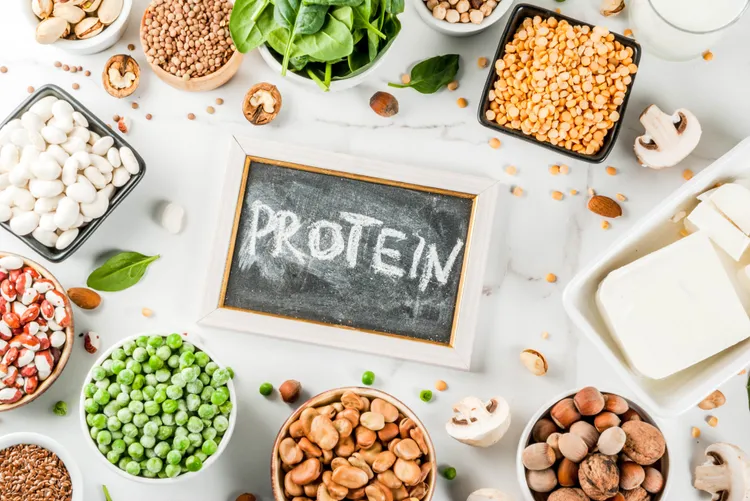
Protein is the number most people worry about when reducing meat. The worry is understandable - meat is the most culturally visible protein source in most Western diets, and removing it from the mental map leaves an apparent gap. The gap closes quickly once you learn the actual numbers behind plant and egg-based proteins. Several are competitive with or superior to chicken breast on a per-calorie basis.
The Daily Target
The minimum recommendation for sedentary adults is 0.8g of protein per kilogram of body weight - about 56g for a 70kg person. Active adults, older adults, and people managing their weight benefit from 1.2-1.6g/kg or higher. A well-constructed flexitarian diet can hit 80-100g daily without any meat. The key is building each meal around a deliberate protein anchor rather than hoping vegetables and grains cover the total.
Eggs
Protein: 6g per large egg / 18g for 3 eggs
Calories: 70 kcal per egg
Protein per calorie: Excellent
The most versatile flexitarian protein source. Scrambled, poached, in frittatas, in muffins, in shakshuka - eggs adapt to any meal format and any cuisine. The egg and cottage cheese omelet combines two high-protein sources in one dish for about 28g of protein at breakfast. The egg, spinach and bacon muffins are the best batch-cook option for a high-protein weekday breakfast - make 12 on Sunday and eat two each morning.
One practical note: eggs are most satisfying when combined with fat (egg yolks already provide this) and volume from vegetables. A three-egg omelet with spinach and cottage cheese is substantially more filling than three scrambled eggs alone.
Lentils
Protein: 18g per cooked cup
Calories: 230 kcal per cooked cup
Protein per calorie: Exceptional
The single best plant protein source on a per-calorie basis. Lentils also provide 16g of fiber per cup and significant amounts of iron and folate. They cook from dried in 20-25 minutes with no soaking required, making them more weeknight-friendly than dried beans. The chickpea and lentil patties deliver around 22g of protein per serving in a format that works as a burger substitute, a grain bowl topping, or a packed lunch. The slow-cooker red lentil soup and the quick coconut curry lentils with greens are the two fastest batch-cook options.
Chickpeas
Protein: 15g per cooked cup
Calories: 270 kcal per cooked cup
Protein per calorie: Good
Higher in calories than lentils per gram of protein, but more texturally versatile. Roasted chickpeas hold their shape and add crunch to grain bowls and salads. Blended, they form hummus. Simmered in tomato sauce with eggs, they become shakshuka. In a curry, they absorb spice beautifully. A tin of chickpeas costs around 70p and provides two generous servings.
Greek Yogurt
Protein: 17g per cup (full-fat)
Calories: 220 kcal per cup
Protein per calorie: Very good
The highest-protein dairy option and one of the most calorie-efficient proteins available. Full-fat Greek yogurt is more satiating than low-fat versions because the fat slows digestion. Use it as a breakfast base, a sauce substitute (instead of sour cream or cream), stirred into curries at the end of cooking, or as a topping on grain bowls and tacos. It also functions as a marinade base - the lactic acid tenderizes protein in the same way that acidic marinades work with meat.
Cottage Cheese
Protein: 14g per half cup
Calories: 110 kcal per half cup
Protein per calorie: Exceptional
One of the most protein-dense foods per calorie in the supermarket. Full-fat cottage cheese provides 14g of protein at 110 calories - better than chicken breast per calorie. It blends smoothly into omelets (the spinach, tomato and cottage cheese omelet is a practical example), thickens sauces without flour, and works in both savory and sweet contexts. The texture puts some people off; blending it smooth before adding to dishes removes the objection entirely.
Tofu (Firm)
Protein: 16g per 150g serving
Calories: 120 kcal per 150g
Protein per calorie: Excellent
Firm and extra-firm tofu are the cooking-friendly varieties. Press them well (30 minutes under a heavy object, or 15 minutes in a tofu press), then pan-fry, bake, or air-fry until the exterior is golden and the center is dense rather than spongy. The full technique guide, plus four starter recipes, is in the article on tofu and tempeh for beginners.
Tempeh
Protein: 19g per 100g
Calories: 195 kcal per 100g
Protein per calorie: Very good
Tempeh is fermented compressed soybean cake - denser, nuttier, and more protein-rich than tofu. The fermentation also makes it easier to digest than most legumes. It holds up better to high-heat cooking than tofu and takes on marinades well. Slice it thin, marinate in soy sauce and smoked paprika, and pan-fry until crispy. The result is a convincing bacon-adjacent accompaniment that works in wraps, grain bowls, and sandwiches.
Black Beans and Cannellini Beans
Protein: 15g per cooked cup (black beans); 17g (cannellini)
Calories: 225-270 kcal per cup
Both are more robust in texture than lentils and work better in dishes where you want the bean to hold its shape - tacos, salads, stews, soups. The zesty black bean soup with lime and the one-pot black bean soup are the fastest ways to turn a tin of black beans into a satisfying, high-protein meal.
Edamame
Protein: 17g per cup shelled
Calories: 189 kcal per cup
Protein per calorie: Very good
Buy frozen and shelled. Microwave in 3 minutes, season with sea salt, eat as a snack or add to grain bowls, stir-fries, and salads. One of the few plant foods that is a complete protein (contains all nine essential amino acids). The protein-to-calorie ratio is among the best of any whole food.
Building a Day Around These Sources
A practical 90g protein day without meat:
- Breakfast: 3-egg omelet with cottage cheese (~28g protein)
- Lunch: Red lentil soup with whole-grain bread (~22g protein)
- Snack: Greek yogurt with seeds (~17g protein)
- Dinner: Chickpea and lentil patties with salad (~22g protein)
Total: ~89g protein, approximately 1,900 kcal. For the full week plan built around these sources, see the complete flexitarian meal plan.
Latest