Homemade Mincemeat: Traditional and Modern Versions
Traditional mincemeat is a proper preserve - dried fruit, suet or butter, alcohol, and spice that matures for weeks and improves month on month. This guide covers both the traditional suet version and a modern butter alternative.
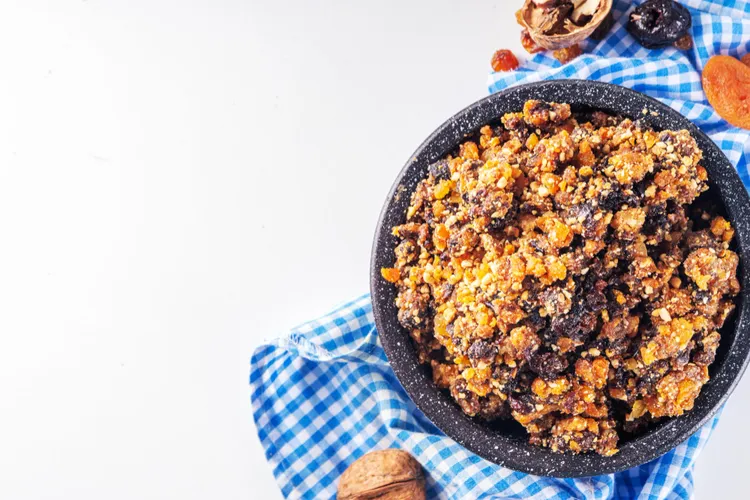
Commercial mincemeat is functional but flat. Homemade mincemeat made in October and opened at Christmas has had two months to develop in the jar - the alcohol softens, the spices integrate, the dried fruit swells and absorbs the surrounding syrup, and the whole thing becomes something genuinely complex and worth putting in a mince pie. The actual making takes about 20 minutes. The rest is time.
What Preserves Mincemeat
Mincemeat is preserved by the combination of alcohol, high sugar concentration, and low moisture content. The dried fruit already has very little available moisture. The sugar from the fruit, added sugar, and cooking process concentrates further. The alcohol (brandy, whisky, or rum at around 15 to 20 percent of the final mix) acts as an additional antimicrobial agent. Together these make mincemeat shelf-stable at room temperature for 12 months when sealed into sterilised jars. A jar that has been sealed correctly and stored in a cool, dark place will improve for the first 3 to 4 months and then remain stable.
Suet vs Butter
Traditional mincemeat uses shredded beef or vegetable suet. Suet is the hard fat from around the kidneys. In mincemeat it contributes richness, helps the mixture bind when cooked in a pie, and is what makes traditional mincemeat genuinely non-vegetarian. Vegetable suet (made from palm oil and flour) is widely available and produces an identical result for vegetarian cooking.
Butter is the modern alternative to suet in mincemeat. It gives a slightly shorter, less waxy texture and a creamier richness. Because butter melts at a lower temperature than suet, butter mincemeat should be refrigerated and used within 6 months rather than stored at room temperature for 12. The flavour is excellent and many people prefer it.
Alcohol Options
Brandy is traditional. It adds warmth and rounds out the spice. Dark rum works beautifully, particularly with a mix of darker dried fruits like prunes and dates. Whisky (Scotch or bourbon) gives a different complexity that pairs well with apple and sultana. Sloe gin makes an excellent and interesting variation that pairs well with the standard spice mix. Sherry (medium or sweet Oloroso) is less commonly used but produces a more restrained, complex result. If you prefer no alcohol, substitute orange juice - the mincemeat will not be shelf-stable without a water bath process but keeps refrigerated for 6 weeks.
Recipe 1: Traditional Mincemeat (with Suet)
Makes: 4 to 5 x 400g jars | Prep: 20 minutes | Cook: 20 minutes | Mature: 4 to 8 weeks
Ingredients
- 250g currants
- 250g raisins
- 250g sultanas
- 100g mixed peel (or homemade candied peel from the candied fruit guide)
- 200g cooking apple, peeled, cored, and finely diced
- 150g shredded suet (beef or vegetable)
- 200g dark brown sugar
- Zest and juice of 1 orange and 1 lemon
- 2 teaspoons mixed spice
- 1 teaspoon ground cinnamon
- Half teaspoon ground nutmeg
- 150ml brandy
Instructions
- Sterilise jars.
- Combine all ingredients except the brandy in a large heatproof bowl. Stir well. Cover with foil and place in an oven at 120 degrees Celsius for 1 hour. This gently warms and melts the suet into the mixture, binding everything together.
- Remove from oven. Leave to cool until warm but not hot (about 30 minutes). Stir in the brandy.
- Pack tightly into sterilised jars, pressing down to eliminate air pockets. Fill to within 5mm of the rim. Seal immediately.
- Store in a cool, dark place for at least 4 weeks before using. The mincemeat improves over the first 2 to 3 months. Keeps sealed for 12 months.
Recipe 2: Butter Mincemeat (Vegetarian, Modern)
Makes: 4 x 400g jars | Prep: 20 minutes | Mature: 2 to 4 weeks in the fridge
Ingredients
- 250g currants
- 200g raisins
- 200g dried cranberries
- 150g dried apricots, finely chopped
- 200g cooking apple, grated
- 150g cold unsalted butter, grated
- 200g light muscovado sugar
- Zest and juice of 2 oranges
- 1 teaspoon mixed spice
- 1 teaspoon ground cinnamon
- Half teaspoon ground ginger
- 100ml dark rum or brandy
Instructions
- Combine all ingredients in a large bowl. Mix thoroughly. Cover and leave at room temperature for 2 hours, stirring occasionally, until the butter and sugar have mostly dissolved into the fruit.
- Pack into sterilised jars. Seal. Refrigerate immediately. Ready to use after 2 weeks. Keeps refrigerated for 6 months.
Using Mincemeat Beyond Mince Pies
Mince pie filling is obvious. Beyond that: stirred into a crumble topping for apple crumble. Used as a stuffing for baked apples alongside some brown sugar and butter. As a filling for tarts with almond frangipane baked on top. Swirled through a loaf cake batter. Warmed with a little butter and brandy and spooned over vanilla ice cream. A jar of good homemade mincemeat is genuinely versatile through November and December.
Nutrition (per tablespoon, approx. 30g)
- Calories: approximately 85 kcal
- Carbs: 14g (of which sugars 13g)
- Protein: 0.5g
- Fat: 3g
For the complete guide to home preserving including chutney, chutneys, fruit curds, and pickles, see the complete homemade preserves guide.
Making Mincemeat in Advance
The conventional timing is to make mincemeat in October for Christmas. With proper sealing (traditional suet version in sterilised jars), it can be made in September and will continue improving through December. Made in late October, it will be mature and excellent by late November for early Christmas baking. A butter version made in mid-November and refrigerated will be perfectly good for December baking. The one thing to avoid is making mincemeat the day before you need it - even 2 weeks makes a significant difference to the flavour.
Mincemeat Without Alcohol
The alcohol in mincemeat serves two purposes: preservation and flavour. A non-alcoholic version replaces the brandy or rum with the same volume of orange juice plus a tablespoon of orange marmalade (for depth). This version must be refrigerated, not stored at room temperature, and used within 6 weeks. The flavour is lighter and less complex but still very good for mince pies. A splash of almond extract (half a teaspoon per batch) replaces some of the warming quality of the alcohol. For the full home preserving context including other seasonal preserves, see the complete homemade preserves guide. Use Consillar's weekly meal prep planner to incorporate mincemeat-based baking into your December cooking schedule.
Mincemeat Quality and Ingredient Choice
The quality of the dried fruit makes a significant difference to the finished mincemeat. Large, plump dried fruit with good moisture content beats small, dried-out alternatives. Medjool dates (or soft dried dates) instead of or alongside raisins add a caramel-like richness that most mincemeat recipes lack. Dried sour cherries instead of some of the currants add a pleasant tartness. Dried figs contribute texture and a honeyed quality. The spice quality also matters: freshly ground nutmeg is notably better than pre-ground. Whole cloves ground in a spice grinder for the batch give a cleaner, more aromatic result than jarred ground cloves.
The combination of homemade candied peel (from the candied fruit guide) and homemade mincemeat in a mince pie produces something genuinely exceptional - both components have had time to develop flavour and both are made from better ingredients than their commercial equivalents. A single batch of mincemeat uses approximately 100g of candied peel, making it a natural use for the output of a candied peel session. For the complete home preserving guide covering all techniques and seasonal preserves, see the complete homemade preserves guide.
Using Homemade Mincemeat Beyond Pies
A jar of mincemeat has more applications than the obvious mince pie. Mincemeat and almond frangipane baked together in a tart case is one of the best Christmas bakes. Mincemeat stirred into a crumble topping adds warmth and interest to an apple crumble. Mincemeat as a stuffing for baked apples alongside a little butter and brown sugar. Mincemeat swirled through a simple loaf cake batter. Warmed with a tablespoon of brandy and a squeeze of orange juice and spooned over vanilla ice cream as a quick pudding. Mincemeat pastry twists: roll out puff pastry, spread with mincemeat, fold and cut into twists, bake at 200 degrees for 12 minutes.
The mincemeat improves with each of these applications compared to using commercial mincemeat. The better quality of the ingredients - homemade candied peel, good alcohol, freshly ground spices - comes through in every dish. Making a double batch in October gives enough for all the above uses through December without rationing. For the complete guide to seasonal home preserving including chutneys, pickles, candied fruit, and potted foods, see the complete homemade preserves guide.
Mincemeat Storage and Checking Jars
Traditional suet mincemeat in properly sterilised jars keeps at room temperature for 12 months. The combination of dried fruit (very low moisture), high sugar concentration, and alcohol content means the preserve is genuinely shelf-stable. Store in a cool, dark cupboard. Check jars after 4 weeks - the lid should still be firmly sealed (no give when pressed, still concave). Any jar where the seal has failed should be refrigerated and used within 3 weeks.
Butter mincemeat must be refrigerated and used within 6 months. The butter content means room-temperature storage is not safe for long periods. If you make butter mincemeat in October, it will be at its best from November through January. After 6 months in the fridge the flavour begins to fade and the texture becomes slightly waxy. Make it in quantities you will use within that window - two to three jars is sufficient for most households through a Christmas baking season. The traditional suet version is better for anyone who wants to make a large batch in September and eat from it through spring.
Both versions improve with age up to the 3 to 4 month mark. A jar opened in December that was made in September will taste noticeably rounder and more complex than a jar opened in October. If you are making mincemeat for a specific event (Christmas baking in mid-December), count back 8 to 10 weeks to identify the ideal making date. For the complete guide to seasonal home preserving including chutney, candied fruit, and potted foods, see the complete homemade preserves guide.
Mincemeat as a Larder Staple
A jar of good mincemeat in the larder from October through January enables a range of quick baking projects without advance planning. Mince pies are the obvious application, but the jar earns its shelf space through the other applications listed earlier in this guide. The key is having it made and matured before the demand period starts.
The maturation period also creates an opportunity for tasting and adjustment. Open a jar after 4 weeks and taste critically: is it sweet enough, sharp enough, spiced appropriately? If the batch is slightly flat, stir in an extra tablespoon of brandy or a teaspoon of mixed spice to each remaining jar before resealing. If it is slightly too sharp, a tablespoon of golden syrup per jar, stirred in and left for another 2 weeks, will round it out. These adjustments are easier to make 4 weeks before Christmas than at 11pm on Christmas Eve when the first batch of mince pies needs to be in the oven.
A double batch of mincemeat takes almost identical effort to a single batch. The peeling, dicing, and measuring of fruit and spices is the labour-intensive part, and it scales directly. Making 8 to 10 jars instead of 4 to 5 takes an extra 15 minutes of preparation and the same oven time, producing enough for home baking plus gifts. For the complete guide to seasonal home preserving, see the complete homemade preserves guide.
Adjusting the Spice Profile
The mixed spice blend used in both recipes above (cinnamon, nutmeg, allspice) is traditional and reliable. But it is also worth considering alternatives or additions based on your flavour preferences. A tablespoon of ground cardamom added to a butter mincemeat gives a Scandinavian character that is more floral and less warm than the traditional British spice profile. A small amount of ground star anise (half a teaspoon per batch) adds an anise note that works particularly well when the base fruit includes dried figs or prunes. Smoked paprika in very small quantity (a quarter teaspoon per batch) adds a subtle savouriness to a suet mincemeat that makes it taste more complex without being obviously smoky.
The most important spice in mincemeat is the one you toast and grind yourself. Whole nutmeg grated fresh immediately before adding to the batch produces a warm, complex flavour that pre-ground nutmeg cannot replicate. The same applies to whole allspice berries ground in a spice grinder - the flavour is more aromatic and less flat than jarred ground allspice. If you invest in fresh spice quality for one application in your kitchen, mincemeat is a good choice because the spice quantity per batch is small and the impact of quality is proportionally high. A batch of mincemeat made with freshly ground spices tastes noticeably more complex than one made with old, pre-ground spices. For the complete home preserving guide covering chutneys, pickles, candied fruit, and potted foods, see the complete homemade preserves guide.
Latest