Potted Foods: Shrimp, Duck Rillettes, and Potted Cheese
Potting seals cooked meat, fish, or cheese under a layer of fat that excludes air and extends shelf life. Three tested recipes covering potted shrimp, duck rillettes, and potted stilton.
Potting is one of the oldest preservation methods and one of the simplest. Cook the main ingredient, season it well, pack it into small pots, and seal the surface with a layer of clarified butter or fat. The fat sets hard on contact with the cold ramekin, excluding air and most contaminants. Without refrigeration this kept food for weeks. With refrigeration it keeps for 2 to 4 weeks and the result is far better than most people expect from something this straightforward to make.
How the Fat Seal Works
Bacterial growth and oxidation both require exposure to oxygen. A solid fat layer on the surface of a potted food creates an anaerobic barrier that slows both significantly. This is not a canning-level seal - it does not create a vacuum and the food still needs refrigeration. What it does is meaningfully extend the refrigerator shelf life of cooked meat and fish beyond what a cling film seal achieves, and it does so while adding flavour and making presentation easy (the pot goes from fridge directly to table).
Clarified butter (butter with the milk solids removed) is used for most potted foods because it sets harder than whole butter and has a higher smoke point if you want to reheat. Whole butter works for cheese and for potted foods you will eat within a week. Duck fat is used for rillettes as a flavour and texture choice.
Recipe 1: Potted Shrimp
The British classic. The combination of cold butter, mace, cayenne, and sweet brown shrimp is one of the most satisfying things you can eat on toast. Use the smallest brown shrimp you can find - Atlantic brown shrimp have far more flavour than large prawns.
Makes: 4 small ramekins | Prep: 15 minutes | Cook: 10 minutes | Chill: 2 hours
Ingredients
- 300g cooked brown shrimp, peeled
- 150g unsalted butter
- Quarter teaspoon ground mace
- Quarter teaspoon cayenne pepper
- Half teaspoon ground white pepper
- Half teaspoon salt
- Small pinch of ground nutmeg
- For the seal: 80g clarified butter
Instructions
- Melt 150g butter in a pan over very low heat. Add mace, cayenne, white pepper, and nutmeg. Stir for 1 minute.
- Add shrimp. Stir gently to coat in the spiced butter. Heat through for 2 minutes - do not boil or the shrimp will toughen. Season with salt.
- Divide between 4 small ramekins. Press down lightly. Leave to cool for 15 minutes.
- Melt clarified butter and pour a thin even layer over each ramekin. Refrigerate until set, at least 2 hours. Keeps refrigerated for 10 days.
- Serve cold with hot toast and a wedge of lemon.
Recipe 2: Duck Rillettes
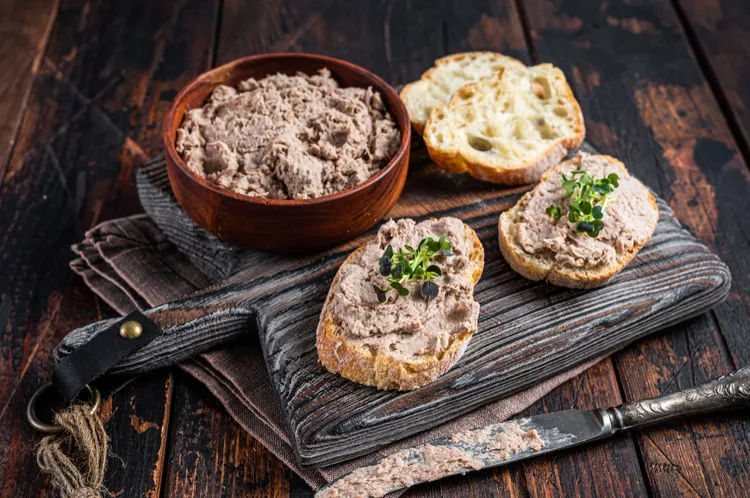
Rillettes is slow-cooked duck (or pork) shredded into its own fat to a coarse, spreadable paste. It is rich, deeply savoury, and almost effortless once the duck has cooked.
Makes: 4 to 5 small pots | Prep: 20 minutes | Cook: 2.5 to 3 hours | Chill: overnight
Ingredients
- 4 duck legs (approximately 1kg)
- 4 thyme sprigs
- 2 bay leaves
- 4 garlic cloves, lightly crushed
- 1 teaspoon sea salt
- Half teaspoon black pepper
- 100ml dry white wine
- Duck fat or clarified butter to seal (approximately 100g)
Instructions
- Place duck legs skin-side down in a heavy casserole with thyme, bay, garlic, salt, pepper, and wine. Cover tightly and cook in the oven at 140 degrees Celsius for 2.5 to 3 hours until the meat is falling from the bone.
- Remove duck legs. Strain and reserve the cooking fat and liquid. Leave duck to cool until handleable.
- Pull all the meat from the bones, discarding skin, bones, and any tough connective tissue. Shred with two forks to a coarse, stringy texture.
- Mix shredded duck with enough of the reserved fat to make a spreadable paste. Season generously - rillettes should be well seasoned. Pack tightly into small pots.
- Seal with a thin layer of melted duck fat or clarified butter. Refrigerate. Keeps for 2 weeks. Serve at room temperature spread on sourdough toast or alongside cornichons on a charcuterie board.
Recipe 3: Potted Stilton
Potted cheese is the simplest version - just cheese, butter, a little alcohol, and seasoning - but the result is better than its parts. It is also an excellent use for the end of a cheese that has dried out slightly.
Makes: 2 small pots | Prep: 10 minutes
Ingredients
- 200g Stilton (or other firm blue cheese)
- 60g unsalted butter, softened
- 2 tablespoons port or dry sherry
- Quarter teaspoon white pepper
- Clarified butter to seal (approximately 40g)
Instructions
- Crumble Stilton into a bowl. Add softened butter, port, and white pepper. Beat together until smooth and well combined - a few cheese lumps are fine.
- Pack into small ramekins. Smooth the tops. Pour a thin layer of melted clarified butter over each. Refrigerate. Keeps for 2 weeks.
- Serve cold, straight from the ramekin, with crackers or toasted sourdough and fruit chutney.
Nutrition (potted shrimp, per ramekin approx. 100g)
- Calories: approximately 320 kcal
- Protein: 14g
- Fat: 28g
- Carbs: 0g
For the full guide to home preserving methods including chutneys, pickles, fruit curds, and candied fruit, see the complete homemade preserves guide.
Clarified Butter: How to Make It
Clarified butter (also called ghee) is whole butter with the milk solids and water removed. It sets harder than whole butter, has a higher smoke point, and creates a more durable seal on potted foods. To clarify: melt unsalted butter over very low heat until the white milk solids settle to the bottom and the clear golden butter floats on top. Pour the clear butter through a fine sieve or muslin into a clean jar, leaving the white solids behind. The clarified butter keeps for several months at room temperature and indefinitely in the fridge. A 200g block of butter yields approximately 160g of clarified butter.
Potted Foods as Gifts
Potted shrimp in small ramekins, covered with a butter seal and wrapped in cellophane with a ribbon, is one of the most impressive-looking food gifts that takes under 30 minutes to produce. Duck rillettes in small Le Parfait jars with the rubber seal replaced is another excellent option. Potted stilton in tiny terracotta ramekins makes a cheese board component that most people have never seen before. All three improve in the days after making and can be prepared a week ahead of gifting. For the complete home preserving guide covering the full range of preserves, see the complete homemade preserves guide.
Rillettes Beyond Duck
Duck rillettes is the starting point for a broader technique. Pork rillettes follow the same method using belly pork or shoulder, cooked low and slow in its own fat with white wine and herbs, then shredded and mixed with the cooking fat. Rabbit rillettes is more delicate and needs a longer cook to break down the tougher muscle fibres. Mackerel rillettes (smoked mackerel, cream cheese, lemon, and horseradish beaten together) is not a slow-cook version but uses the same potting and serving technique. Salmon rillettes is similarly quick - cooked salmon broken up and mixed with butter, dill, and lemon, then potted under a butter seal.
The common thread is cooked meat or fish mixed with enough fat to create a spreadable paste, seasoned generously, packed tightly into small pots to eliminate air pockets, and sealed under a fat layer. Any combination that follows these principles produces a product that serves beautifully from the pot. For the complete guide to home preserving including chutneys, pickles, fruit curds, and candied fruit, see the complete homemade preserves guide.
Serving Potted Foods
Temperature is important for all three recipes. Potted shrimp should be served cold - the butter should be set and the shrimp firm. Remove from the fridge 10 minutes before serving to take the chill off slightly, but do not bring to room temperature or the butter begins to melt. Serve on toasted brown bread with lemon wedges. Duck rillettes should be served at room temperature - remove from the fridge 30 minutes before serving. Cold rillettes are dense and waxy; at room temperature they are spreadable and the fat carries the flavour properly. Potted cheese should be served at cool room temperature, directly from the pot, with crackers or bread.
All three keep for 10 to 14 days in the fridge with the fat seal intact. Once the fat seal is broken (ie: once you start eating from the pot), the shelf life drops to 3 to 5 days and the pot should be kept refrigerated and covered with cling film if not finished. Do not reseal with additional fat once the pot has been opened - the contents below are already exposed to air. For the complete home preserving guide covering every technique from sweet preserves to savoury potted foods, see the complete homemade preserves guide.
The Difference Between Rillettes and Pate
Rillettes and pate are sometimes confused but they are fundamentally different products. Pate is a smooth, fine-textured mixture - the meat is minced or processed to a paste, often with liver, cream, or egg as a binder, and the result is uniform and spreadable. Rillettes is coarse - the slow-cooked meat is shredded with forks rather than processed, retaining its fibrous texture, and mixed only with its own cooking fat. The texture of good rillettes is stringy, rich, and chunky compared to the smooth, mousse-like texture of a classic pate.
Both are preserved under a fat seal and both serve beautifully from the pot, but they behave differently on a plate. Rillettes is best spread thickly on toasted bread with cornichons alongside. Pate is often sliced and served with toast points or crackers. For home production, rillettes is considerably easier because it requires no processing equipment (a food processor or blender) and no additional binders - just the slow-cooked meat and its own fat. The duck rillettes recipe above can be made with nothing more than a casserole dish, an oven, and two forks for shredding. A classic smooth chicken liver pate requires a blender and more precise temperature control. For the complete guide to home preserving including chutneys, pickles, fruit curds, and candied fruit, see the complete homemade preserves guide.
Sourcing Ingredients for Potted Foods
Brown shrimp for potted shrimp are available from fishmongers, specialist seafood suppliers, and some high-end supermarkets in coastal areas. They are smaller and more flavourful than the large prawns more commonly sold, with a sweetness and texture that the latter cannot match. Pre-cooked and peeled brown shrimp are sold in small containers of 100 to 200g - one container is enough for two small ramekins. If fresh brown shrimp are unavailable, small cold-water prawns make a reasonable substitute, though the flavour is less pronounced.
Duck legs for rillettes are widely available from butchers and most large supermarkets. The recipe above uses four legs for a moderate batch. For a larger batch that will keep for gifting, use six to eight legs. The cooking method is the same; the shredding takes slightly longer. Duck fat is sold in tins in most large supermarkets and is worth buying separately to supplement the fat rendered from the legs, which may not be sufficient for both the rillettes mixture and the sealing layer. Duck fat also keeps for several months in the fridge and is an excellent cooking fat for roast potatoes.
For the complete guide to home preserving including chutneys, pickles, fruit curds, and candied fruit, see the complete homemade preserves guide.
Potted Foods and the Cheese Course
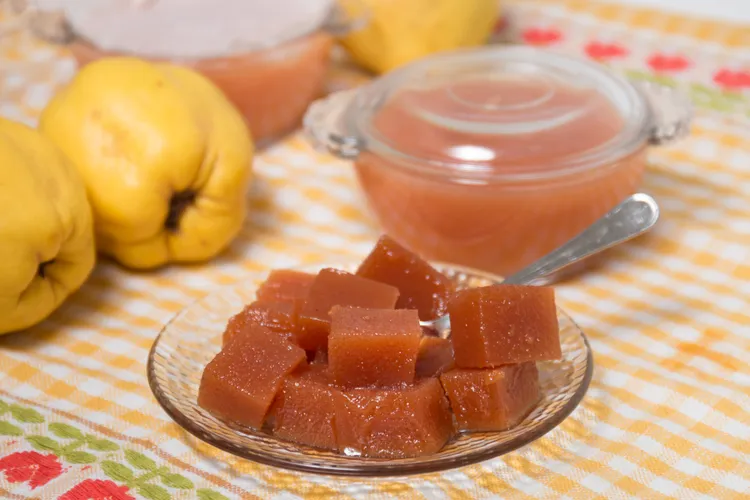
Potted stilton, from the third recipe in this guide, is perhaps the simplest way to elevate a cheese course at a dinner party. Rather than presenting a wedge of stilton on a board alongside bought crackers and grapes, a small ramekin of potted stilton presented with thin crackers and homemade quince paste from the quince paste guide is a genuinely impressive course that took less than 15 minutes to prepare (plus chilling time). The potted format also means the cheese presents cleanly - there is no rind to negotiate, no crumbling, and no waste from hard, dried-out edges.
Beyond stilton, any firm or semi-firm cheese with strong character works in a potted format. Potted mature cheddar with English mustard and a tablespoon of stout (beaten together with butter until smooth). Potted goat cheese with lemon zest and thyme. Potted smoked cheese with a little Worcestershire sauce and black pepper. The technique is identical for each: crumble or grate the cheese, beat with softened butter in a 2:1 or 3:1 cheese-to-butter ratio, add flavourings, pack into ramekins, and seal with clarified butter. Each variation takes less than 10 minutes to assemble and keeps for 2 weeks in the fridge, making them ideal for advance preparation when entertaining. For the full guide to home preserving including chutneys, fruit curds, and candied fruit, see the complete homemade preserves guide.
Latest