Why Do We Add Salt to Sweet Things?
A pinch of salt makes cookies, chocolate and caramel taste better by dulling bitterness and making sweetness stand out. Here is how it works, how much to use and which salt to choose.
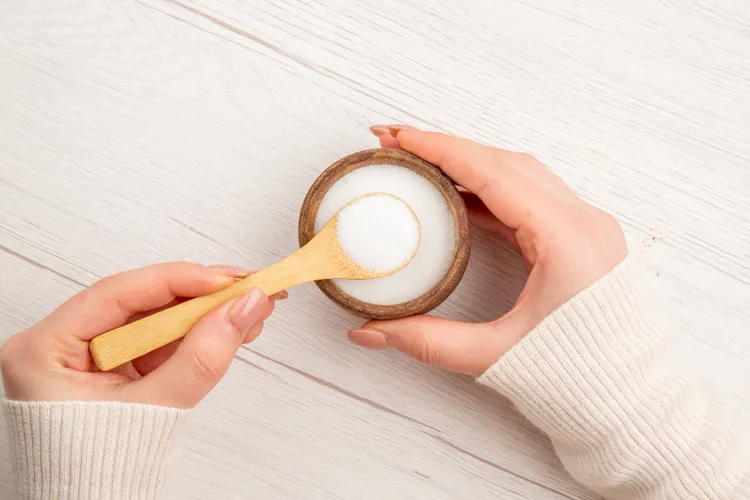
A quarter teaspoon of table salt has zero calories and about 575 mg of sodium. Stir it into a batch of cookie dough that makes two dozen cookies and each one gets a tiny fraction of that, too small to taste as salt. Leave it out and the cookies taste flat, a little harsh and oddly less sweet. That gap between "no salt" and "a pinch" is one of the most useful things in all of baking, and it comes down to how your tongue and nose process flavor.
Salt does three jobs in sweet food. It turns down bitterness, it makes sweetness stand out more clearly, and it helps other flavors come forward. None of those jobs make the food taste salty when the amount is right. The salt is working in the background, the way a good bass line holds up a song.
It Blocks Bitterness
This is the best-supported reason. Many foods we think of as sweet contain a trace of bitterness. Dark chocolate and cocoa are bitter. Caramel is bitter at the edges, because burnt sugar is. Coffee, grapefruit, some nuts and many baked goods have a bitter undertone as well.
Sodium ions interfere with how bitter compounds register on the tongue. Researchers at the Monell Chemical Senses Center reported in the 1990s that salt reduces the perceived bitterness of several bitter compounds, and later work has supported the idea that sodium suppresses bitterness in complex foods. When the bitterness goes down, the sweetness and richness that were hiding behind it can be tasted.
That is why a pinch of salt in a chocolate dessert makes the chocolate taste deeper and more chocolatey, not saltier. The bitter edge is dialed back and the cocoa flavor is allowed to come forward.
It Makes Sweetness Stand Out
The second effect is partly about contrast. When a mouthful has a little salt in it, the sweet parts register more vividly by comparison. A cookie with salt tastes sweeter than the same cookie without it, even though the sugar content did not change.
The effect is not magic. It works best in foods where sweetness is competing with bitterness, sourness or a heavy, fatty richness. In a plain sugar solution, adding a lot of salt does not make it taste sweeter, and a large amount makes it taste worse. In real desserts, with a mix of flavors, a small amount of salt makes the whole thing seem more balanced and more lively.
Cooks describe the opposite problem all the time. A dessert with no salt tastes "flat," "cloying" or "one-note." The sugar is there, but it has nothing to push against, so it just tastes heavy.
It Helps Aromas and Flavors Come Forward
Salt also seems to help other flavors show up. Vanilla, butter, toasted nuts, spices and fruit all taste fuller and more distinct with a little salt in the mix. Part of this is the bitterness effect, since less bitterness lets other flavors come through. Part of it may be that salt changes how aroma compounds behave in water-based foods and nudges some of them into the air, where your nose can detect them. Researchers still debate how much each mechanism contributes.
The practical lesson is the same. If a baked good tastes dull, check the salt before you add more sugar or vanilla.
What Salt Does in Baking
In baking, salt is more than a flavor. It has structural jobs too.
- Bread and yeast doughs: salt tightens the gluten network, which gives the dough more strength and elasticity. It also slows yeast fermentation, so the dough rises at a more controlled pace and develops more flavor.
- Cakes and cookies: salt balances sweetness and fat, and it keeps the flavor from turning heavy.
- Pastry and pie dough: a little salt seasons the crust, which would otherwise taste bland next to a sweet filling.
- Custards and cream fillings: salt rounds the flavor of eggs and dairy.
- Frostings and glazes: a small pinch cuts the sugar rush and makes buttercream taste less cloying.
This is also why recipes call for salt even when the butter is already salted, and why a recipe that uses unsalted butter still lists salt as a separate ingredient. The salt is not optional seasoning. It is part of the formula.
Why Salted Caramel Took Over
Caramel is a good example of the whole idea. When sugar is cooked until it browns, it develops deep, slightly bitter, toasty flavors. A little salt softens that bitterness and brings out the buttery, nutty side. Too little and the caramel can taste harsh or one-dimensional. A bit more and it tastes complex and balanced.
Salted caramel is closely tied to Brittany, in the north of France, where salted butter is a regional tradition. The region has a long history of salt production and of salted butter, and the pairing of salted butter with sugar became a local specialty. The chocolatier Henri Le Roux is often credited with popularizing salted butter caramel in the 1970s, and from there it spread through French pastry and then across the world, eventually showing up in ice cream, coffee drinks and chocolate bars.
Sweet and Salty Around the World
The pairing is much older than the current salted caramel craze, and it shows up in many cuisines.
- Italy: thin slices of salty prosciutto draped over sweet melon.
- Mexico: mango, pineapple, cucumber and jicama sprinkled with chili and salt, or with lime and chili-salt blends.
- China and Southeast Asia: salted egg yolk in pastries, buns and cakes, where the rich, salty yolk filling meets sweet dough.
- Japan: watermelon eaten with a sprinkle of salt, and sea salt ice cream in Okinawa.
- The Nordic countries: salted licorice, which is sweet and salty with a sharp, ammonia-like bite that many people love.
- The United States: pretzels dipped in chocolate, kettle corn, peanut butter and jelly, and salted chocolate chip cookies.
- Asia generally: salted plum candies and salted dried fruits.
In each case, the combination works because the contrast makes both parts more exciting. Sweet makes salt feel less sharp, and salt makes sweet taste brighter.
Fruit and Salt
A pinch of salt on fruit is one of the easiest ways to see this in action. It works particularly well with fruits that have a trace of bitterness or sourness.
- Watermelon: salt makes it taste sweeter and more watermelon-like.
- Melon and cantaloupe: a pinch of salt highlights the sweet, floral flavor.
- Grapefruit: salt takes the edge off the bitterness.
- Mango and pineapple: salt, or chili and salt, balances the sweetness and acidity.
- Tomatoes: technically a fruit. Salt makes them taste sweeter and fuller.
How Much Salt to Add
The goal is for nobody to be able to say the dessert tastes salty. If you can taste salt as salt, you used too much, unless you meant to, as in a salted caramel or a flaky salt finish. These starting points work for most recipes:
- Cookies: about 1/4 to 1/2 teaspoon of fine salt per 2 cups of flour.
- Cakes and muffins: about 1/4 to 1/2 teaspoon per 2 cups of flour.
- Brownies: about 1/4 to 1/2 teaspoon per batch, and a little more if you use dark chocolate.
- Caramel sauce: about 1/2 teaspoon of fine salt per cup of sugar, tasted and adjusted at the end.
- Buttercream: a small pinch per batch, which cuts the sweetness noticeably.
- Whipped cream: a tiny pinch, almost invisible, rounds out the flavor.
- Bread dough: about 1.5 to 2 percent of the flour weight, so 7 to 10g of salt for 500g of flour.
If a recipe seems flat, taste a bit of the batter or sauce, add a pinch of salt, and taste again. It is the fastest fix in baking.
Which Salt to Use
Different salts measure differently, which is a common reason a recipe turns out too salty or not salty enough.
- Fine table salt: about 6g per teaspoon. Dissolves fast and evenly, which makes it the best choice for doughs and batters.
- Diamond Crystal kosher salt: lighter and flakier, roughly half as dense as table salt by volume. A teaspoon weighs around 3g, so you need nearly twice as much by volume.
- Morton kosher salt: denser than Diamond Crystal and closer to table salt, about 4.5 to 5g per teaspoon.
- Flaky sea salt (such as Maldon): best as a finishing salt. Sprinkle it on top of cookies, brownies, caramel and chocolate for crunch and bursts of salt.
- Fleur de sel: a delicate finishing salt, often used on caramels and chocolates.
When in doubt, weigh your salt. A scale takes away the guesswork between salts, and it makes your baking repeatable.
A Taste Test You Can Do in Five Minutes
- Break a square of dark chocolate into two equal pieces, or use two squares from the same bar.
- Taste the first piece plain, and notice the bitterness and sweetness.
- Sprinkle a few grains of flaky salt on the second piece, and taste it.
- Compare. The salted piece usually tastes smoother, richer and a bit sweeter, with less bitter edge.
Try the same experiment with a slice of watermelon, a grapefruit segment or a spoonful of caramel sauce. The effect is easy to notice once you know what to look for.
When Salt Goes Wrong
- Too much: the dessert tastes savory or seems to have been seasoned for dinner. Dilute by making more batter or sauce without salt, or serve with something unsalted.
- The wrong salt by volume: swapping kosher for table salt in the same teaspoon can double or halve the amount. Weigh it.
- Salted butter plus a full pinch of salt: adds up quickly. If you use salted butter, cut back the added salt.
- Salting a reduction too early: as caramel or syrup cooks down, the salt concentrates. Add it at the end and adjust.
- Large flakes inside the batter: they may not dissolve evenly and can leave salty pockets. Use fine salt inside and save flakes for the top.
Calories and Sodium
- Table salt: 0 kcal. One teaspoon (about 6g) has roughly 2,300 mg of sodium, so a quarter teaspoon has about 575 mg.
- A batch of two dozen cookies: if the dough has a quarter teaspoon of salt, each cookie carries about 25 mg of sodium from the added salt, plus whatever comes from the butter and other ingredients.
- One tablespoon of salted butter: about 90 mg of sodium and about 100 kcal.
Salt adds flavor, not calories, so it does not change your macros. If you track sodium, remember that the amount in a single dessert serving is usually small. The macro calculator helps you set your daily targets, the meal planner helps you place treats and meals across the week, and the meal prep tool helps you portion batches of cookies, brownies or caramel so each serving is counted.
Common Myths
- "Salt in a dessert makes it taste salty." In small amounts, it makes it taste better, not saltier.
- "Salt lets you cut the sugar." Salt can make a dessert taste balanced, but it does not replace sugar's role in texture, moisture and browning.
- "Salted butter already covers it." Salted butter has a variable amount of salt, and many recipes still need more.
- "Only flaky salt on top counts." The salt inside the batter is doing more of the work.
- "It is a modern trend." People have paired sweet and salty foods for centuries.
Quick Reference
- Why it works: salt reduces bitterness, lifts sweetness and brings out other flavors
- Starting amount for cookies and cakes: about 1/4 to 1/2 teaspoon of fine salt per 2 cups of flour
- Best salt inside the dough: fine salt, weighed
- Best salt on top: flaky sea salt
- If a dessert tastes flat: add a pinch of salt before adding more sugar
- If you use salted butter: reduce the added salt
The amounts and measurements in this article are common baking guidance. Salt brands, flour types and personal taste vary, so use them as a starting point and taste as you go.
Latest