The Surprising Origin of Everyday Foods
Ketchup began as fish sauce, carrots were not always orange, and Italy had no tomatoes until the 1500s. Seven everyday foods with origins that are not what you would guess.

The first printed Italian tomato sauce recipe appeared in 1692, more than 80 years after the English founded Jamestown. Pasta with tomato sauce on top is younger still. A lot of what we think of as traditional food is newer, and far more mixed up between continents, than its label suggests. Below are seven everyday foods with origin stories that tend to surprise people, with the short answer first and the detail after.
Where Does Ketchup Come From?
Ketchup began as a salty fermented fish sauce from southern China. Tomatoes did not join the recipe until the early 1800s.
The word comes from ke-tsiap, a Hokkien term for a brine of pickled fish. Dutch and English sailors met the sauce in Southeast Asia in the 1600s and carried the idea home, where cooks tried to copy it with whatever they had. By the 1700s an English recipe for ketchup might be built on mushrooms, walnuts or anchovies. The result was dark brown and closer to Worcestershire sauce than to anything you would squeeze onto fries.
The first published tomato ketchup recipe is credited to the Philadelphia scientist James Mease in 1812. Vinegar and sugar crept in over the following decades, and an 1817 recipe still included anchovies, a leftover nod to the fish sauce it descended from. By the 1890s American newspapers were calling it the national condiment.
The word kept traveling after the fish left it. In Indonesia it became kecap, and kecap manis is still a thick, sweet soy sauce used in Indonesian and Malaysian cooking, a second descendant of the same word that has nothing to do with tomatoes.
If you cook with fish sauce, you are using the distant ancestor of ketchup. A teaspoon stirred into a tomato sauce or a stew adds savory depth without tasting fishy, which is roughly what those early cooks were chasing.
Were Carrots Always Orange?
No. The first domesticated carrots were purple and yellow, and the orange carrot only turned up in Western Europe in the 1500s and 1600s. The exact path is still debated.
Wild carrot is a thin, pale, bitter root, nothing like the vegetable in your fridge. Cultivated carrots first appear in Central Asia, in the area around modern Afghanistan, as purple and yellow roots. A London seed catalog from 1677 lists red, orange and yellow carrots side by side, so orange existed by then. Dutch growers did much of the work of refining it into the sweet, tender root we know.
The popular story says the Dutch bred orange carrots to honor William of Orange. Historians treat that as a legend. Orange carrots were already around, and the likelier explanation is plain selection: growers kept the sweeter, less bitter roots, and orange ones had a practical edge because purple carrots tended to turn a muddy brown when cooked.
The orange color comes from beta carotene, which is why a plain orange carrot is a reliable source of vitamin A. Purple, white and yellow carrots are still sold today and taste a little different, usually earthier and less sweet.
Did Chili Peppers Always Belong in Indian and Thai Food?
No. Chili peppers are native to the Americas, and cooks in India, Thailand, Korea and China had no chilies before the 1500s.
Chilies were domesticated in Mexico and Central America thousands of years ago. Columbus called them peppers because he was hunting for black pepper, and the misnomer stuck. Spanish and Portuguese traders then moved the plants along their trade routes through the 1500s, from Lisbon and the Caribbean to Africa, India and the rest of Asia.
Before that, heat in Indian cooking came from black pepper, long pepper, ginger and mustard seed. Chilies caught on quickly because they were cheap, easy to grow in many climates and far hotter. Within about a century they had worked their way into Thai curry pastes, Sichuan cooking and Korean food, where red kimchi as we know it is a much younger development than the dish itself. Hungarian paprika is the same story, reaching Hungary through the Ottoman Empire and the Balkans.
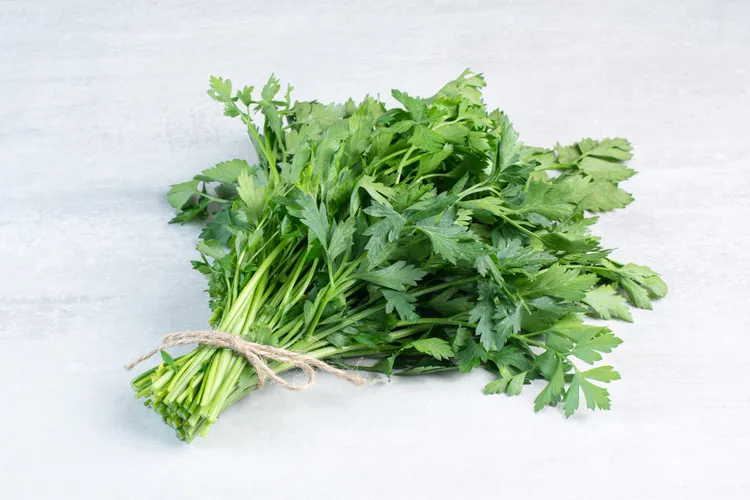
Chilies and fresh coriander appear together in so many cuisines that the question of why cilantro tastes like soap to some people comes up constantly around salsa and curry.
Why Did Italy Take So Long to Adopt the Tomato?
Tomatoes reached Italy in the mid-1500s but spent generations as a garden ornamental. Italian cooks did not write down a tomato sauce until 1692.
The tomato is native to the Americas, and the Spanish brought it back to Europe. One of the earliest Italian records is a 1548 note from Cosimo de' Medici about a basket of tomatoes arriving safely at his estate near Florence. Many Europeans were wary because the plant belongs to the nightshade family, which includes some genuinely toxic species, so for a long time it was something to look at rather than eat.
The first Italian tomato sauce recipe appears in the 1692 cookbook of Antonio Latini, a Neapolitan chef who worked for the Spanish viceroy. He called it "Spanish style," it included chilies, and it was meant for meat rather than pasta. Latini gave two versions: one roasts the tomatoes over coals, chops them with onion, thyme, salt, oil and vinegar, and the other skips the cooking and the vinegar entirely. It reads more like a salsa than a simmered marinara. The first known recipe that pairs tomato sauce with pasta is from 1790. Around the same period, poor families in Naples began putting tomatoes on flatbreads, which is where pizza as we know it starts to take shape. Northern Italy, notably, took to tomatoes more slowly than the south.
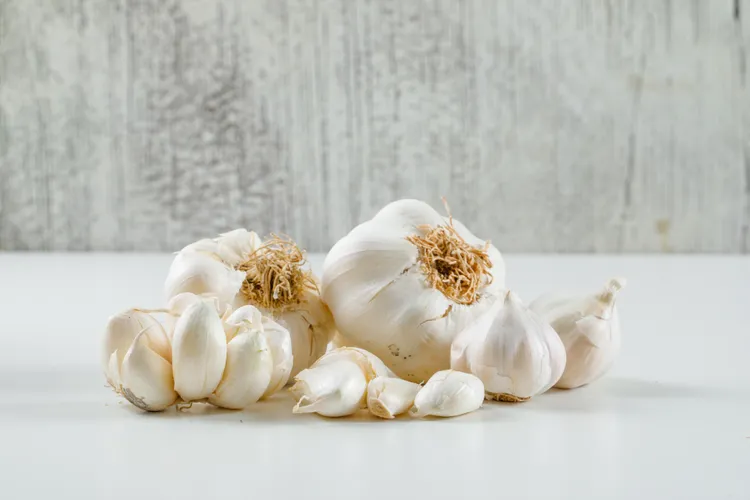
Garlic is the usual partner in these sauces, and if yours ever turns an odd color in the pan, this explains why garlic sometimes turns blue or green.
Did Marco Polo Bring Pasta to Italy?
No. Pasta was already being made and exported in Sicily more than 140 years before Marco Polo returned from China.
In 1154 the Arab geographer al-Idrisi described the town of Trabia, near Palermo, where people made a food of flour in the form of strings and shipped it by boat to other regions. Marco Polo did not get home from China until 1295. The more likely route for dried pasta is through Arab-ruled Sicily around the 9th and 10th centuries, along with a dried noodle called itriyya, and with Sicilian farmers growing durum wheat, the hard wheat that dries and keeps so well.
That does not mean China is irrelevant. Noodles in Asia are very old, and the general idea of boiled dough strands is shared across many cultures. What the evidence does not support is the specific story of one traveler packing noodles into his luggage. Early Italian pasta was also boiled far longer than we would tolerate now. Al dente is a later preference.
So the pairing everyone pictures, spaghetti with tomato sauce, is roughly as old as the United States Constitution. One practical note if you track macros: dry pasta roughly doubles in weight once it is cooked, so a gram on the box is not a gram on the plate. Our guide to raw vs. cooked weight covers pasta, rice, meat and vegetables.
Where Do Potatoes Really Come From?
Potatoes were domesticated in the Andes, in what is now Peru and Bolivia, roughly 8,000 years ago. Europe got them in the 1500s and spent about two centuries distrusting them.
Andean growers developed thousands of varieties, and they worked out how to freeze-dry potatoes into a long-lasting food called chuno. The Spanish carried potatoes to Europe in the 16th century. Because the plant is a relative of deadly nightshade, many people assumed it was dangerous, and in much of Europe it was fed to animals or ignored.
The turnaround is usually credited to Antoine-Augustin Parmentier, a French army pharmacist who ate little but potatoes as a prisoner during the Seven Years War and came out fine. Back in France he campaigned for them with stunts. The popular account has him presenting potato flowers to Marie Antoinette and posting guards around his potato fields to make the crop look valuable. By the 1770s potatoes were an important crop across much of Europe.
The Andes are still the best insurance policy the potato has. The International Potato Center in Peru keeps a gene bank of more than 7,000 varieties, and farmers there still grow thousands of native types that supermarkets never see.
Ireland shows the downside. Millions of people depended on a small number of potato varieties, so when blight arrived in the 1840s there was no genetic variety to fall back on. The same weakness shows up in the next food on the list.
Why Is the Banana in Your Kitchen Not the Banana People Used to Eat?
Almost every banana sold today is a Cavendish, which replaced the Gros Michel in the 1950s after a fungal disease wiped out its plantations.
Bananas were first domesticated in Papua New Guinea, with archaeological evidence from the Kuk Swamp area dating back more than 6,000 years. From there they spread across Southeast Asia, to Africa and eventually to the Americas. For the first half of the 20th century the banana exported to Europe and North America was the Gros Michel, often called Big Mike.
Then Panama disease, a soil fungus, started destroying Gros Michel plantations across Latin America. The Cavendish, which had been in commercial production since 1909 but was a minor player, turned out to be resistant. Growers cleared the Gros Michel and replanted. Many people say the Gros Michel tasted more like the artificial banana flavor in candy, which would explain why banana candy tastes slightly wrong to anyone raised on Cavendish.
Commercial bananas are sterile and grown from cuttings, which means every Cavendish is essentially a clone of every other. That is efficient and it is also fragile. A new strain of Panama disease called Tropical Race 4 now attacks the Cavendish, and researchers are racing to develop replacements.
What to Do With This in Your Own Kitchen
A few of these histories turn into useful habits. Add a small splash of fish sauce to a tomato sauce or a stew and you are cooking the way early ketchup makers did, with salt and savory depth in one ingredient. Roast purple or yellow carrots next to orange ones and you can taste the older range of the vegetable, with the purple ones usually earthier and a little less sweet. Pull your pasta while it still has some bite. Long boiling is closer to how early cooks did it, and al dente is the later preference.
If you buy bananas green and let them ripen at home, you are working with a fruit whose whole supply chain is built around one clone. That is a good reason to try the other varieties when you see them, such as small, sweet apple bananas or red bananas, and to try plantains cooked rather than raw. Each one is a different branch of the same domestication story that began in New Guinea.
What These Food Histories Have in Common
A few patterns repeat. First, trade moved foods long before cooks knew what to do with them, so chilies, tomatoes and potatoes all spent decades as curiosities. Second, suspicion usually came first and enthusiasm second, often because a plant looked like something poisonous. Third, the foods that feel most permanent, the ones tied to a national cuisine, tend to be fairly recent adoptions. If a recipe feels ancient, it is worth checking when its ingredients actually arrived.
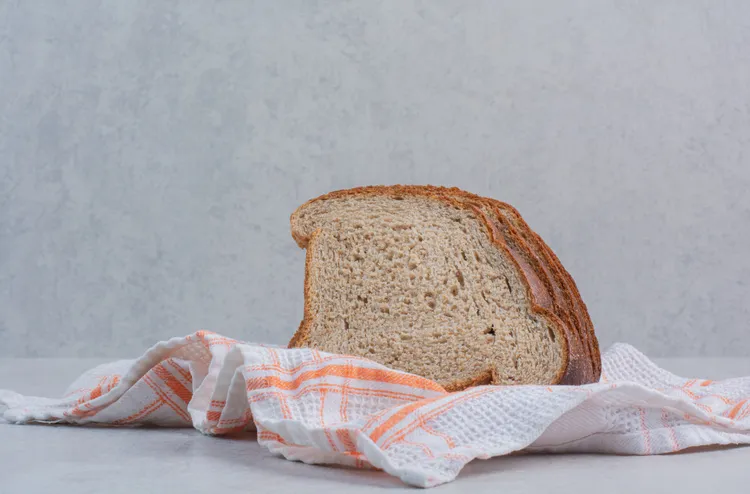
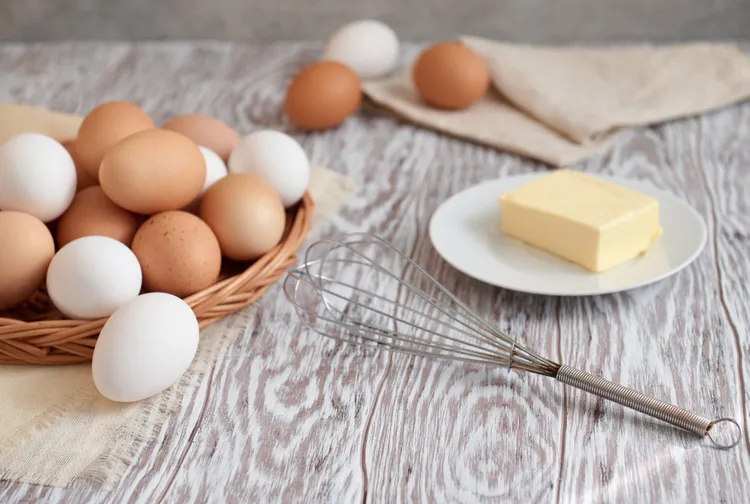
For more food curiosities, see why recipes insist on room temperature eggs and unsalted butter, or why bread goes stale and whether you can reverse it.
Quick Answers
Is ketchup originally Chinese?
Its ancestor is. The word comes from a Hokkien term for fermented fish brine from southern China. Tomato ketchup itself was developed in Britain and America, with the first published tomato recipe dating to 1812.
Were carrots originally purple?
Not exactly. Wild carrots were pale. Early cultivated carrots in Central Asia were purple and yellow, and the orange carrot appeared later in Western Europe.
Are chili peppers native to Asia?
No. They come from the Americas and reached India, Thailand, Korea and China through Portuguese and Spanish trade in the 1500s.
When did Italians start eating tomatoes?
Tomatoes arrived in Italy in the mid-1500s, but the first Italian tomato sauce recipe was not published until 1692, and the first recipe pairing it with pasta dates to 1790.
Did Marco Polo introduce pasta to Italy?
No. A geographer described a pasta industry in Sicily in 1154, well before Marco Polo came back from China in 1295.
Where do potatoes come from?
The Andes of South America. They were domesticated roughly 8,000 years ago and reached Europe in the 16th century.
Why did bananas change?
Panama disease destroyed the Gros Michel banana in the 1950s, and the disease-resistant Cavendish replaced it.
Latest