How to Make Flavoured Salt, Sugar, and Infused Oils
Herb salts, vanilla sugar, citrus sugar, and infused oils are the simplest preserves you can make. Most require no cooking, keep for months, and are genuinely useful in everyday cooking.
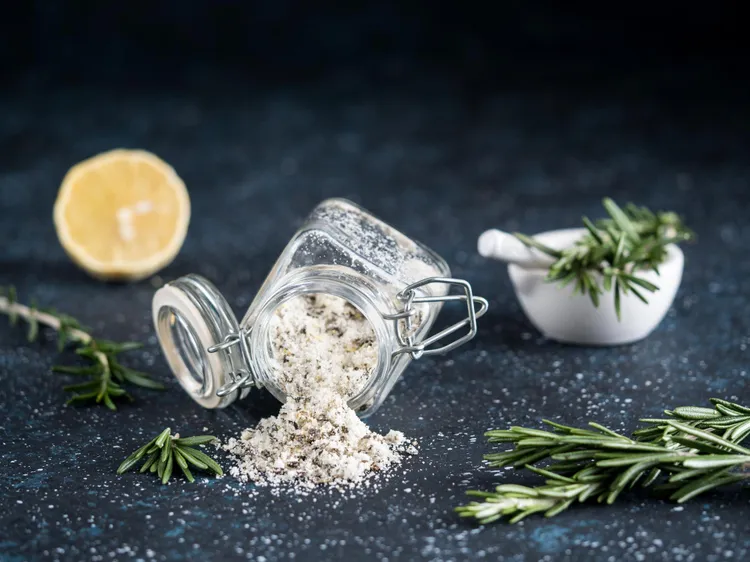
Flavoured salts and sugars require no cooking, no sterilisation, and no equipment beyond a jar and a bowl. They are the easiest entry point into home preserving and produce ingredients that get used regularly rather than sitting at the back of a cupboard. A jar of rosemary and lemon salt sits next to the stove and seasons everything it touches differently to plain salt. Vanilla sugar is in every baking recipe where you would normally add both sugar and vanilla extract.
Flavoured Salt
Salt itself is a preservative, which means any herb or spice added to it is also preserved by the surrounding salt. Dried herbs work better than fresh in salt blends because fresh herbs introduce moisture, which causes clumping and can eventually promote mould. The exception is citrus zest, which can be used fresh and will dry in the salt over 24 to 48 hours. The ratio for herb salt is roughly 3 parts salt to 1 part dried herb by volume, adjusted to taste.
Recipe 1: Rosemary and Lemon Salt
Use on roast chicken, grilled fish, vegetables, or rim cocktail glasses.
Makes: 1 x 200ml jar | Prep: 5 minutes
Ingredients
- 150g flaky sea salt (Maldon or similar)
- 2 tablespoons dried rosemary, crumbled finely
- Zest of 2 lemons
Instructions
- Combine all ingredients in a bowl. Mix well, breaking up any clumps of zest.
- Spread on a baking tray and leave at room temperature for 24 to 48 hours until the zest is dry. Or bake at 80 degrees Celsius for 1 hour.
- Transfer to a jar. Keeps at room temperature for 6 months.
Recipe 2: Chilli and Garlic Salt
Use on eggs, pasta, grilled meat, or any dish that needs heat and depth.
Makes: 1 x 200ml jar | Prep: 10 minutes
Ingredients
- 150g fine sea salt
- 4 garlic cloves, thinly sliced
- 2 tablespoons dried chilli flakes
- 1 teaspoon smoked paprika
Instructions
- Spread garlic slices on a baking tray. Bake at 100 degrees Celsius for 1 to 1.5 hours until completely dried and crisp but not browned.
- Crumble dried garlic. Mix with salt, chilli flakes, and smoked paprika.
- Store in a sealed jar. Keeps 6 months. The garlic must be completely dry before mixing with the salt or the jar will go mouldy.
Flavoured Sugar
Sugar absorbs aromatic compounds from anything stored with it. The classic use is vanilla sugar - a vanilla pod buried in a jar of caster sugar for 2 weeks produces sugar that carries genuine vanilla flavour into any recipe that calls for both sugar and vanilla. The pod continues flavouring the sugar and can stay in the jar for 12 months, topping up the sugar as it is used.
Recipe 3: Vanilla Sugar
Use wherever a recipe calls for caster sugar plus vanilla extract. Also excellent in shortbread, meringues, and custard.
Ingredients
- 500g white caster sugar
- 2 vanilla pods, split lengthways
Instructions
- Place vanilla pods in a jar of sugar. Press them down so they are buried. Seal tightly.
- Leave for at least 2 weeks before using. Top up the sugar as it is used - the pods flavour new sugar as it is added. Replace the pods after 12 months.
Recipe 4: Citrus Sugar
Use in cocktails, shortbread, lemon cake, or anywhere a sharp, bright sweetness is needed.
Ingredients
- 300g white granulated or caster sugar
- Zest of 2 lemons, 2 limes, or 2 oranges (or a mix)
Instructions
- Combine sugar and zest in a bowl. Rub together with your fingers until the zest is evenly distributed and the sugar looks slightly damp and fragrant.
- Spread on a tray and dry at room temperature for 24 hours, or in an oven at 80 degrees for 30 minutes.
- Blend briefly in a food processor for a finer texture, or leave coarser. Store in a sealed jar for 3 months.
Infused Oils: Safety First
Most infused oils are safe and stable. The exception is garlic in oil, which carries a genuine and serious risk of botulism if made incorrectly. Clostridium botulinum spores can survive on garlic and thrive in the anaerobic, low-acid environment of oil at room temperature. Commercial garlic oil is acidified before bottling to prevent this. For home use: garlic in oil must be refrigerated, used within 1 week, and never stored at room temperature. This is not optional advice. If you want garlic-flavoured oil for longer than a week, use dried garlic in oil (the drying process eliminates the moisture that botulinum needs).
Recipe 5: Rosemary and Thyme Infused Oil
Safe for room-temperature storage because the herbs are dried. Use in vinaigrettes, for dipping bread, or in any recipe calling for flavoured oil.
Ingredients
- 500ml good quality extra virgin olive oil
- 4 sprigs dried rosemary
- 4 sprigs dried thyme
- 1 teaspoon black peppercorns
- 2 dried chillies (optional)
Instructions
- Ensure herbs are completely dry - dried from a herb jar is fine, or dry fresh herbs for 1 week in a warm place before use.
- Warm oil in a pan to 60 degrees Celsius. Add herbs and peppercorns. Remove from heat and leave to infuse for 24 hours at room temperature.
- Strain if desired, or leave the herbs in for a more decorative effect and stronger flavour. Bottle in a sterilised bottle. Keeps at room temperature for 3 months.
Gifting Flavoured Salts, Sugars, and Oils
A set of three - rosemary lemon salt, vanilla sugar, and herb oil - in matching jars with handwritten labels costs almost nothing to make and makes an excellent food gift. The ingredients are inexpensive, the jars hold the contents well, and the recipient ends up with something genuinely useful that they would not typically buy for themselves. Include a note suggesting uses for each. For the complete home preserving overview including pickles, chutney, and fruit curd, see the complete homemade preserves guide. Track nutritional impact of infused oils with Consillar's nutrition calculators.
Nutrition (flavoured salt, per 1g serving)
- Calories: 0 kcal
- Sodium: approximately 380mg
Garlic Oil Safety: The Full Picture
The risk with garlic in oil is real but the cause is specific: Clostridium botulinum spores on garlic survive in the anaerobic (oxygen-free) environment of oil. They produce botulinum toxin in these conditions at temperatures between 3 and 50 degrees Celsius. The risk is eliminated by: acidifying the garlic before adding to oil (toss in citric acid solution), using commercially prepared garlic oil (acidified during manufacture), or by making garlic oil fresh immediately before use and never storing it. Garlic that has been dried (completely dehydrated) does not carry the same risk because botulinum requires moisture to produce toxin. This is why dried garlic in the herb oil recipe above is safe for room-temperature storage.
Beyond the Recipes Above
Other flavoured salts worth making: black pepper and thyme salt (excellent on steak and root vegetables). Smoked salt with dried mushroom powder (umami-rich, used as a seasoning for anything savoury). Celery salt (dried celery seed blended with salt) - far better than commercial versions. Nori salt (toasted dried nori, crumbled and mixed with sea salt) - excellent on rice, eggs, and grilled fish.
Beyond vanilla and citrus sugar: lavender sugar (2 teaspoons of dried lavender per 300g sugar, blended fine) for shortbread and cream. Cardamom sugar for baking and spiced coffee. Cinnamon sugar is obvious but worth making in bulk for toast, porridge, and pastry. Rose sugar (dried rose petals blended with sugar) for Middle Eastern-inspired baking. For the complete guide to home preserving including pickles, chutneys, fruit curds, and candied fruit, see the complete homemade preserves guide. Track macros from cooking oils and infused sugars with Consillar's nutrition calculators.
Building a Gift Set from Flavoured Preserves
A thoughtfully assembled gift set of flavoured salts, sugars, and oils requires minimal investment but considerable thought. Three small jars - rosemary lemon salt, vanilla sugar, and herb-infused oil - with a handwritten card explaining uses for each makes a gift that would cost significantly more to buy and that most recipients have never received before. The key is presentation: clean jars with consistent labels, wrapped in tissue or presented in a small box. Include a card suggesting specific uses - "use the rosemary salt on chicken or fish, add the vanilla sugar to any cake or custard, use the herb oil for salad dressings or dipping bread."
Beyond the three-item set: a jar of chilli and garlic salt alongside a bottle of chilli vinegar from the flavoured vinegar guide makes a gift for someone who cooks regularly. A jar of crystallised ginger from the candied fruit guide alongside a jar of ginger sugar makes a baking-focused gift. A set of homemade seasonal preserves - chutney, pickled onions, fruit jelly, and one of the flavoured salts - assembled as a harvest hamper in autumn is genuinely impressive and costs a fraction of its apparent value. For the complete home preserving guide covering every category of preserve, see the complete homemade preserves guide.
Herb Salts for Specific Applications
Beyond the general rosemary and lemon version, tailoring a flavoured salt to a specific use produces something more useful than a general-purpose blend. A finishing salt for fish: flaky sea salt with dried dill, lemon zest, and white pepper. A steak salt: coarse sea salt with dried thyme, black pepper, and a small amount of dried porcini mushroom (blended fine). A popcorn salt: fine salt with smoked paprika and a little cayenne. A rim salt for cocktails: fine salt with dried lime zest and chilli. Each of these is made the same way as the rosemary lemon version above - combine, dry if zest is fresh, jar and store. The only variable is the spice combination and the grain size of the salt (coarser for finishing, finer for seasoning in cooking).
The most practical use of flavoured salts is having them pre-made and immediately accessible next to the stove. A row of three small jars - one herb salt, one chilli salt, one citrus salt - replaces the need to open multiple spice jars while cooking and ensures consistent seasoning. The cost of making all three is minimal and the time required is less than 30 minutes for all three combined. For the complete home preserving guide covering all techniques from pickles and chutneys to fruit cheeses and potted foods, see the complete homemade preserves guide.
Making Flavoured Sugars for Baking
Flavoured sugars are particularly useful in baking because they replace two separate ingredients with one. A recipe calling for 200g of sugar and 1 teaspoon of vanilla extract becomes 200g of vanilla sugar - one ingredient, one measurement, and the vanilla is distributed more evenly through the mixture because it is already incorporated into the sugar rather than being a concentrated drop of extract added separately. The flavour is also subtler and more natural-tasting than extract.
Beyond vanilla, the range of flavoured sugars useful in baking is wider than most people consider. Cardamom sugar (blended with ground cardamom in a 10:1 ratio by weight) is excellent in Scandinavian-style baking, apple cake, and chai-flavoured recipes. Cinnamon sugar (4:1 ratio) for churros, French toast, and apple strudel. Earl Grey sugar (made by blending dried Earl Grey tea leaves with sugar in a food processor) for shortbread and cream fillings. Saffron sugar (a pinch of crushed saffron per 200g of sugar, left for 2 weeks to infuse) for Persian-inspired rice pudding and biscuits. Each of these requires minimal preparation and keeps for months in a sealed jar. The cumulative investment of making four flavoured sugars is under an hour, and the result is a baking larder that produces noticeably more interesting results with no additional effort per recipe.
Use Consillar's nutrition calculators to track how flavoured sugars and salts contribute to your daily macro targets, particularly if you are adjusting sugar intake. For the complete guide to home preserving covering every category from chutneys and pickles to fruit curds and potted foods, see the complete homemade preserves guide.
Scaling Flavoured Salt and Sugar Production
Flavoured salts and sugars are so quick to make that there is a practical argument for making larger batches and using smaller jars for gifting. A 500g batch of rosemary lemon salt divided into 50g gift jars gives 10 gifts. The active time for the whole batch is 10 minutes. The drying time is the same whether you make 50g or 500g. The cost per jar (excluding the jar itself) is pence.
The same logic applies to vanilla sugar. A 1kg jar of vanilla sugar with two or three vanilla pods buried inside flavours continuously for 12 months as you top up the sugar. This produces a household supply of flavoured sugar with zero ongoing effort after the initial setup. Citrus sugar made in a 500g batch divides easily into gifts and still leaves plenty for home baking through the season.
For infused oils, the limiting factor for large batches is the quality of the base oil. Good extra virgin olive oil costs more per litre than a standard cooking oil, but the difference in flavour in the finished product is significant. A 500ml batch of herb-infused olive oil split into 100ml bottles makes five attractive gifts that cost less than a single bottle of commercially infused oil from a specialist food shop. For the complete home preserving guide covering every technique from pickles and chutneys to fruit cheeses and potted foods, see the complete homemade preserves guide.
Latest