Table Manners Around the World: What's Polite Here Is Rude There
A tour of food etiquette in more than a dozen countries, from chopstick taboos to tipping rules, plus how to eat socially without making a show of tracking your macros.
Finishing everything on your plate is polite in Japan. At some formal Chinese banquets, leaving a little food signals that the host ordered generously. Across much of the Arab world, an empty plate or cup is read as an invitation to refill it. One gesture, three different messages. That gap is the whole subject of table manners: there is no universal rule, only local ones, and most of them make sense once you know what they protect, whether that is hygiene, hierarchy, hospitality or a funeral taboo.
A note before the rules. Etiquette shifts between households, generations and city versus village, and between a formal dinner and a casual one. Treat what follows as the traditional or widely recognized norm, not a test you can fail. When you are a guest and unsure, watch the host and copy them. That advice works almost everywhere.
Chopsticks: Three Countries, Three Sets of Rules
Japan
Two rules carry most of the weight. Never stand chopsticks upright in a bowl of rice, because it echoes the incense sticks placed upright at a funeral altar. Never pass food directly from one pair of chopsticks to another, because it mirrors a funeral rite in which relatives pass bone fragments with chopsticks after cremation. Rest your chopsticks on the holder between bites, and if you are sharing, set the food on a plate or use serving chopsticks.
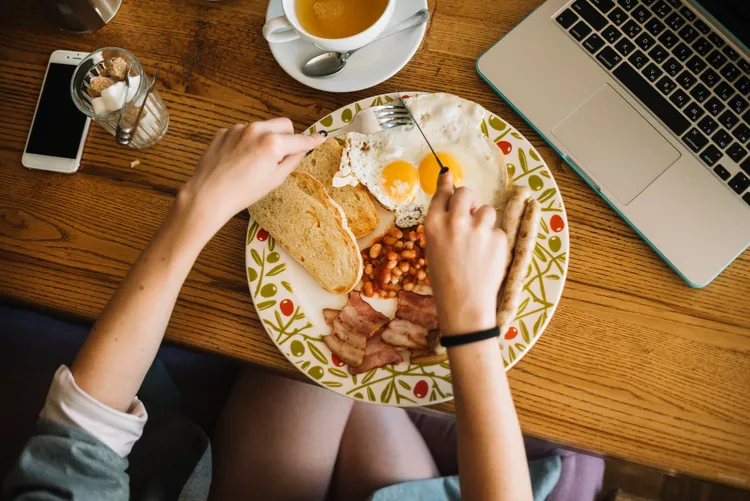
Say itadakimasu before you eat and gochisōsama deshita when you finish. Lift rice and soup bowls toward your mouth. Slurping noodles is normal for ramen and soba and is generally read as enjoyment. When drinking, pour for others, let them pour for you, and wait for kanpai before the first sip. Our look at how the world eats breakfast covers what a traditional Japanese breakfast puts in front of you.
China
The upright-chopsticks rule applies here too, and for a similar reason: it resembles incense offered to the dead. Dishes are shared, and the lazy Susan is generally turned clockwise, with the guest of honor or the eldest person helping themselves first. Use the serving chopsticks or spoons if they are provided, not your own. Hosts often order more than guests can finish as a sign of generosity, and in more formal settings a little leftover food can signal that you were well fed.
In Cantonese-speaking areas, tapping two fingers on the table thanks the person who pours your tea. In some coastal communities, turning a whole fish over is said to bring bad luck because it evokes a capsizing boat, so people lift the bones off instead.
Korea
Korean meals use a spoon for rice and soup and metal chopsticks for the side dishes (banchan). Unlike in Japan, you leave the rice bowl on the table instead of lifting it. The oldest person at the table starts first, so wait until they lift their spoon or chopsticks. Pour drinks for others, not yourself, using both hands or the right hand with the left touching the forearm. When drinking with someone older, many people turn slightly away to sip.
Eating With Your Hands: The Right-Hand Rule
Across India, the Middle East, parts of Africa and Southeast Asia, eating with the hands is normal, and the right hand is the one that touches food. The left is traditionally reserved for hygiene, so it stays out of the shared dish.
India
In many households, people eat with the right hand and use fingers to mix rice with dal or curry. Wash your hands before and after, and expect a sink or finger bowl. A related idea is jootha, food that has touched someone's mouth or used utensil. In many homes, offering a bite from your own plate or drinking from a shared bottle with your lips on it is avoided, so people pour water into the mouth instead. On a banana leaf in Tamil Nadu and Kerala, folding the leaf toward you at the end signals satisfaction, while folding it away is traditionally associated with mourning. Hosts will keep urging you to take more, so a polite decline may need repeating.
The Middle East
Tear bread with your right hand and use it as a scoop for dips and stews. Hospitality is treated as a duty, so a host will keep offering, and accepting at least a little matters. In Saudi Arabia and neighboring Gulf countries, Arabic coffee is poured into tiny cups and refilled until you signal you are finished by gently shaking the cup from side to side. If you are full, leave a small amount rather than an empty plate or cup, because empty means refill.
Ethiopia
Meals are served on a shared platter lined with injera, a spongy fermented flatbread. You tear off a piece with your right hand and use it to scoop up the stews. A gesture unique to Ethiopian dining is the gursha, where one person feeds another a mouthful by hand as a sign of affection and respect. Declining it is awkward, so accept graciously.
Forks, Knives and Spoons
The UK and the US
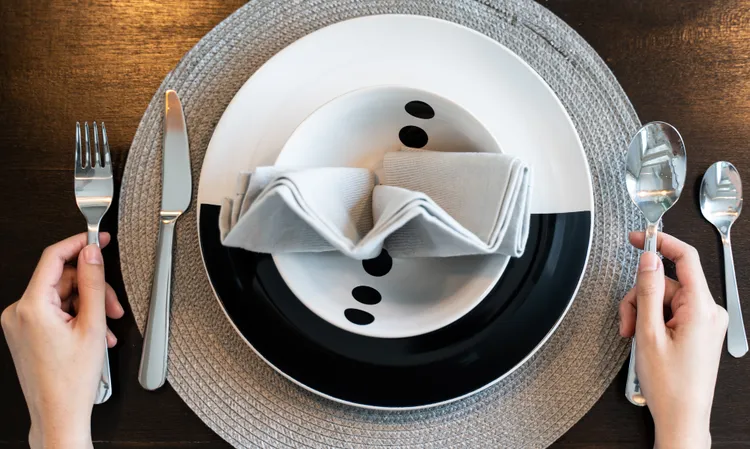
Britain and most of Europe use the continental style: fork in the left hand, tines down, and knife in the right. Americans typically use the zigzag style, cutting with the knife in the right hand, setting it down, then switching the fork to the right. Both are polite. The American style is widely recognized abroad, even if it looks unusual.
France
Keep both hands visible, with wrists resting on the table edge rather than hands in your lap. Bread goes directly on the table or on a bread plate, not on your dinner plate, and you tear off a piece instead of biting into a whole slice. French households buy bread daily because a baguette stales within hours, which we explain in why bread goes stale and whether you can reverse it.
On a cheese board, cut so each person gets some rind and some interior, and do not slice off the pointed tip of a wedge of brie, which is considered the best part. Wait for the host to say bon appétit before you start. Service is included in restaurant prices by law, so tipping is optional.
Italy
Traditional etiquette says no grated parmesan on seafood pasta, and cappuccino is a morning drink that many Italians would not order after a meal. At casual meals, bread is used for scarpetta, mopping up the last of the sauce. Dipping bread in olive oil and balsamic is more common abroad than in Italian restaurants, though it is a good use of a fine oil, as covered in our guide to the types of olive oil and which to cook with and which to finish with. A coperto (cover charge) often appears on the bill, and it is a restaurant charge, not a tip. For more Italian rules at the stove, see dishes you're probably making wrong, according to locals.
Thailand
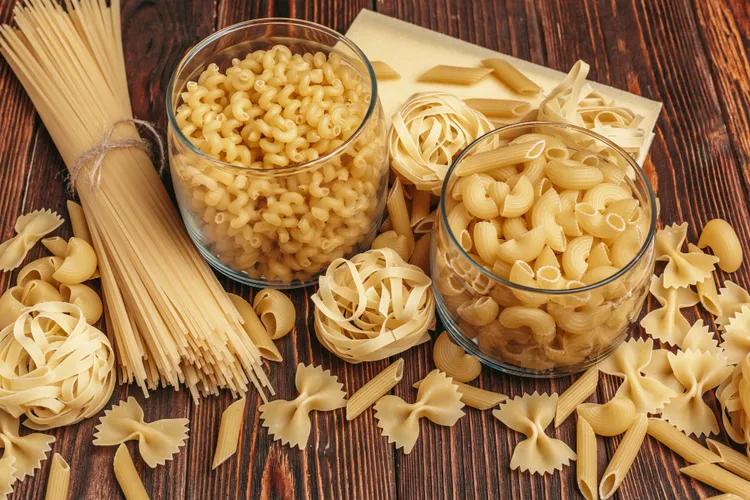
The main utensil is a spoon in the right hand, with a fork in the left used to push food onto it. The fork generally does not go into your mouth. Chopsticks are mostly for noodle dishes. Dishes arrive together and are shared, and you serve yourself a little of each onto your plate of rice.
Toasts, Drinks and Who Pours
In Germany, say Prost and make eye contact when you clink glasses. In Japan, wait until everyone has a drink and the toast is said, then drink. In Korea, you pour for others, with both hands, and never for yourself. In British pubs, people take turns buying rounds, and skipping your turn is the real breach.
The most elaborate toasting tradition may be the Georgian supra, a long feast led by a toastmaster called the tamada, who proposes a sequence of toasts. Guests typically do not drink until a toast is given, and each one is meant to be taken seriously. If you want the history behind how other occasions shape the table, our piece on why we eat certain foods on certain holidays follows the same thread.
The Clean-Plate Question
This is where the rules truly contradict each other, so it is worth laying out in one place:
- Japan: finish your food, especially the rice. Leaving grains behind is seen as wasteful, and finishing signals appreciation.
- China: at formal banquets, leaving a little can show the host provided plenty. At a casual meal, finishing is rarely a problem.
- The Arab world: an empty plate usually brings more food, so leave a small amount if you are done.
- India: hosts push second helpings, and a clean banana leaf folded toward you signals a good meal.
- The US and UK: finishing is fine, and taking leftovers home in a box is normal in the US, while in much of continental Europe it is less common, though increasingly accepted.
The common thread is that your plate is a message. Learn what it says locally, and you can stop worrying about whether to finish.
Paying, Tipping and Taking Your Time
- Japan: no tipping, and you usually pay at the register instead of at the table.
- US: a tip of 15 to 20 percent is standard, since servers' wages depend on it.
- UK: a discretionary service charge, often 10 to 12.5 percent, is commonly added to the bill. Check before adding more.
- France: service is included by law, so small extra change is optional.
- Italy: expect a coperto on the bill and little pressure to tip beyond rounding up.
- Germany: round up when you pay, and say the total you want to pay to the server. Splitting bills is routine.
- Spain: the bill will not arrive until you ask for it. Lunch is typically eaten around 2 or 3 p.m., dinner at 9 or later, and the sobremesa, lingering at the table after the meal, is part of the meal.
The Spanish sobremesa is a good reminder that in many cultures, rushing a meal is the rudest thing you can do. Our look at kitchen traditions and rituals explores why the long, slow table has lasted.
Rules That Repeat Across Cultures
- Wait for the host or eldest. Korea, China, France and Georgia all have a version of this.
- Accept hospitality. Refusing everything can read as rejection, so take a little of what is offered.
- Respect the hygiene rules. The right-hand rule and the hand-washing customs exist because shared dishes and shared hands need clear boundaries.
- Avoid funeral symbols. Upright chopsticks and chopstick-to-chopstick passing are the same taboo for the same reason.
- Watch before you act. If you are not sure, wait a moment and follow what others do.
Eating Socially When You Track Your Macros
Etiquette and tracking can pull in different directions. Shared dishes in China, Ethiopia or the Middle East are hard to weigh, and a host who keeps refilling your plate is hard to refuse. A few approaches keep both the numbers and the manners intact:
- Estimate, do not weigh. Use the plate method from macros to meals: turning your targets into a plate and log the meal approximately.
- Plan around the meal. If you know about a banquet in the evening, splitting 2,000 calories across 3 meals and 2 snacks shows how to leave room for it.
- Take a modest first helping. Taking a second helping when offered is polite in many cultures and easier than refusing a big first one.
- Lead with protein where you can. If you are working toward a daily target, the examples in what 150g of protein looks like in a day help you spot the protein on a shared table.
Set your numbers with the Consillar calculators and map your week in the meal planner, so a big dinner is a planned exception instead of a surprise. One meal does not make or break a week. If tracking makes social meals stressful, that is a sign to loosen the tracking, not to skip the meal.
Frequently Asked Questions
Is it rude to leave food on your plate?
It depends on where you are. In Japan, finishing your food is polite, especially the rice. At formal Chinese banquets, leaving a little can show the host was generous. In much of the Arab world, a clean plate often brings a refill. When unsure, follow your host.
Why shouldn't you stick chopsticks upright in rice?
In Japan, China and neighboring countries, it resembles incense sticks placed upright in a bowl of rice at a funeral altar or ancestral offering. It is a taboo about death symbolism, not about hygiene. Rest your chopsticks on a holder or across your bowl instead.
Which hand do you eat with in India and the Middle East?
The right hand. The left hand is traditionally reserved for hygiene and kept away from shared food. If you are eating with your hands, wash first and use only the right hand to take food and tear bread.
Do you tip in Japan?
No. Tipping is not customary in Japan and can cause confusion, as good service is part of the price. In the US, by contrast, 15 to 20 percent is standard, and in many European countries the rules vary from service included to rounding up.
Is slurping noodles rude?
Not in Japan, where slurping ramen or soba is normal and generally read as enjoyment, and it also cools the hot noodles. In many Western settings, quiet eating is the norm, so match your surroundings.
What is the single most useful table manner to know?
Wait for your host or the eldest person to begin, and accept what is offered with thanks. That one habit covers a large share of the situations where you could unknowingly offend someone, in nearly any culture.
Latest