Dishes You're Probably Making Wrong, According to Locals
Nine well-known dishes and the habits traditional cooks in Italy, Spain, Mexico, Peru, Greece, the Levant, Vietnam and China push back on, plus what each change means for calories and macros.
In six of the nine dishes below, the usual mistake is overload: cream in the carbonara, chorizo in the paella, lettuce in the Greek salad, a pile of cheese on the taco, too much soy in the fried rice. In the other three it is timing or technique: ceviche left sitting, chickpeas not cooked long enough, a broth that boils instead of simmering. Traditional versions tend to be simpler than the ones that travel, and that matters for flavor and for your macros.
One caveat first. Nobody owns a dish, and locals do not speak with one voice. Italian regions argue with each other, northern Mexico cooks differently from the center, and Hanoi and Saigon split over pho. Where locals disagree, I say so. Where the traditional version is well documented, I describe it. Cooking something your own way is fine. It is just a different dish.
Italy: Two Pastas That Get Rewritten Abroad
Carbonara: No Cream, No Garlic, Off the Heat
Roman carbonara has five ingredients: pasta, guanciale (cured pork cheek), eggs, pecorino romano and black pepper. Cream is not one of them, and it is the shortcut Italian cooks object to most. Garlic and onion are also left out. Bacon is a substitute rather than the original, since guanciale is fattier and tastes deeper. Some cooks blend a little parmigiano into the pecorino, which is generally accepted.
The sauce comes from egg, cheese and starchy pasta water, whisked together off the heat. Too much heat and you get scrambled eggs. The usual method is to render the guanciale slowly in a cold pan until the fat runs and the edges crisp, mix eggs, pecorino and pepper in a bowl, toss the drained pasta in the pan with the heat off, then add the egg mixture with a splash of pasta water and keep tossing until glossy. Eggs that are not fridge-cold blend more easily, which is one of the reasons behind why recipes ask for room temperature eggs.
Carbonara is also younger than its reputation. It is documented only from the middle of the twentieth century, so the argument is about habit, not centuries of tradition. Plenty of dishes shift that fast, as we cover in how everyday foods changed over time.
Bolognese: A Ragù Built for Tagliatelle
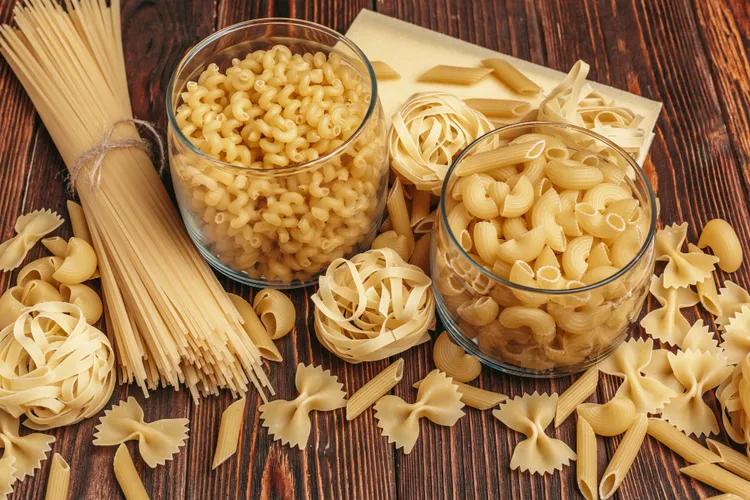
In Bologna the dish is ragù alla bolognese, and it is served with fresh egg tagliatelle, not spaghetti. Wide ribbons hold a meaty sauce; thin strands let it slide off. The traditional ragù is mostly meat, not tomato: beef and pancetta, a soffritto of onion, carrot and celery, a modest amount of tomato, wine and milk, simmered for two hours or more. A version was registered in 1982 with the Bologna chamber of commerce by the Italian Academy of Cuisine and is the usual reference, though it records one recipe rather than a law, and Bolognese households still differ.
The name is a good example of a dish that carries a place, a theme in foods named after places, people and accidents. Outside Italy, the same name often ends up on a tomato-heavy mince sauce over spaghetti, which is a tasty dinner but a different one.
Spain: Paella Is Not a Seafood-and-Chorizo Pan
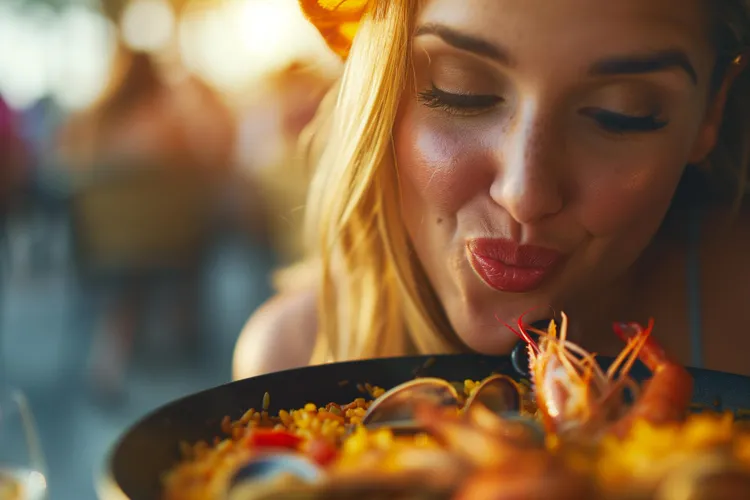
Paella comes from Valencia. The traditional paella valenciana has chicken, rabbit, flat green beans, butter beans (garrofó), tomato, saffron and rosemary, and sometimes snails. There is no chorizo. Seafood rice is a separate, well-respected dish, usually called arroz a banda or paella de marisco. What Valencians push back on is the mixed pan of chicken, chorizo and prawns sold abroad under the single name paella.
The technique matters as much as the list. Use a wide, shallow pan so the rice cooks in a thin layer. Use a short-grain rice such as bomba, which soaks up roughly three times its volume in stock. Do not stir once the rice goes in. The goal is the socarrat, the toasted crust on the bottom, and stirring prevents it. Rest the pan for about five minutes before serving. Bone-in thigh and drumstick pieces survive the long cooking far better than breast meat, as covered in chicken cuts compared.
Mexico: Tacos Are Small, Soft and Simple
In Mexico a taco is typically a small corn tortilla, about 4 to 5 inches across, warmed on a hot comal or dry pan, with a few spoonfuls of filling and then chopped white onion, cilantro, salsa and lime. Crunchy hard shells packed with ground beef, shredded lettuce, cheese and sour cream are a Tex-Mex and US format. Mexico has crisp-fried tacos (tacos dorados), but they are their own dish.
There is a real regional split worth knowing. In northern Mexico, especially Sonora, flour tortillas are standard, so a flour taco is not automatically wrong there. Juicy fillings are often served on two stacked corn tortillas so the bottom one does not tear. The cilantro garnish matters, and if it tastes like soap to you, there is a genetic explanation in why cilantro tastes like soap to some people. Skip it and use extra onion rather than switching to a different herb.
Peru: Ceviche Is Finished in Minutes
Peruvian ceviche is very fresh raw fish cut into cubes and tossed with lime juice, salt, thinly sliced red onion, ají limo chili and cilantro. It is served within minutes, often with the milky, spicy marinade called leche de tigre, alongside sweet potato, large-kernel corn (choclo) and toasted corn (cancha). Leaving it for hours is the common home mistake. Acid firms and whitens the fish, and past the first several minutes the texture turns chalky.
A safety note belongs here. Lime juice does not make raw fish safe. Buy fish from a fishmonger who sells it for raw eating, keep it cold until the moment you use it, and skip raw fish entirely if you are pregnant, immunocompromised or serving someone who is.
Greece: Horiatiki Has No Lettuce
The Greek salad most Greeks mean is horiatiki, "village salad": ripe tomatoes, cucumber, red onion, often green pepper, olives, a slab of feta laid on top, dried oregano, salt and olive oil. There is no lettuce. Vegetables are cut in large chunks, not diced. The feta is a whole piece, not crumbled into the bowl. Many Greek cooks use no vinegar at all, because ripe tomatoes already supply the acidity.
That makes the olive oil the dressing and the main flavor, so quality matters. Our guide to the types of olive oil and which to cook with and which to finish with explains what to buy for a raw dish like this. It also makes the salad dependent on the season. Out of season, pale tomatoes make a dull horiatiki, and no amount of extra feta fixes that.
The Levant: Hummus Is a Meal, Not Just a Dip
In Arabic, hummus means chickpeas. In Lebanon, Syria, Palestine and Israel it is commonly eaten at breakfast or lunch, spread in a shallow dish, finished with olive oil, whole chickpeas and sometimes paprika or parsley, and scooped up with warm bread. Served that way it is a plate, not a party dip. We include it in how the world eats breakfast for exactly that reason.
The silky texture comes from three things: chickpeas cooked until they are completely soft, well past the point you would eat them whole; generous tahini; and cold water blended in until the mixture lightens. At home, canned chickpeas simmered for about 20 minutes with a pinch of baking soda soften much further. Go easy on raw garlic. In acidic mixtures like hummus it can sometimes turn blue-green, which is harmless and explained in why garlic turns blue or green. About 100g of hummus is roughly 170 kcal and 8g of protein, which also makes it a useful anchor in a vegetarian 120g protein plan.
Vietnam: Phở Is a Broth First
Phở is about the broth. Beef bones are blanched and rinsed first for a clear result, then simmered for hours with charred ginger and onion, whole spices such as star anise, cinnamon, clove and coriander seed, and finished with fish sauce and a little sugar. It should simmer gently, never boil hard, because boiling clouds the broth. Thin slices of raw beef go on top of the noodles and cook in the hot broth.
The garnish is where regional opinion splits. Southern-style bowls arrive with a plate of bean sprouts, herbs, lime and chili, and hoisin and sriracha on the table. Many northern cooks prefer a plainer bowl with scallion and let the broth stand on its own, so squeezing hoisin and chili in before tasting is the habit they would call a mistake. Taste first, then decide. Phở is also a normal breakfast in Vietnam, a point we expand on in how the world eats breakfast.
China: Fried Rice Needs Yesterday's Rice
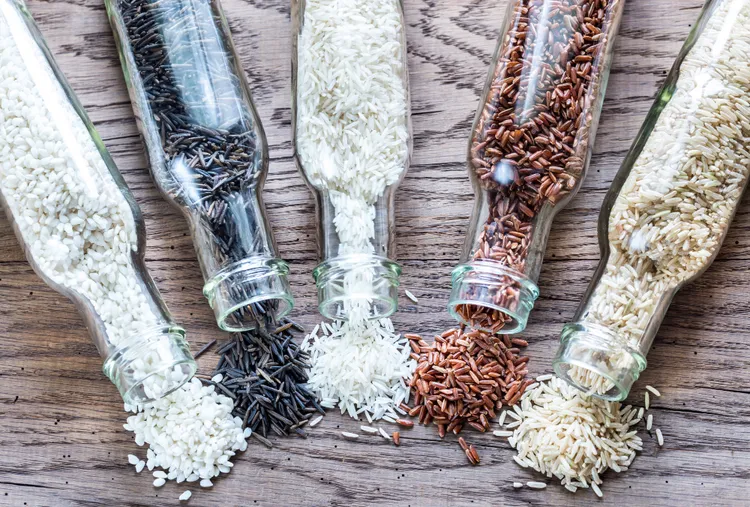
Fried rice made with freshly cooked, hot rice turns to mush, because the grains are wet and steam in the pan. Cold, day-old rice has dried on the surface, so the grains separate and brown in a hot wok. Yangzhou fried rice, the textbook version, is lightly seasoned and built around egg, ham, shrimp and scallion, not soaked in soy sauce. Cook in small batches so the pan stays hot and the rice fries instead of steaming.
Food safety matters with leftover rice. Spread freshly cooked rice on a tray to cool, then refrigerate it within an hour or so, and certainly within two. Rice also weighs about three times as much cooked as raw, so 100g of dry rice makes roughly 300g of fried rice base. Our guide to raw vs. cooked weight shows how to log that correctly.
What the Traditional Versions Mean for Your Macros
These are estimates for typical single servings. Brands, portions and oil amounts change them.
- Carbonara (80g dry pasta, 40g guanciale, 1 egg plus 1 yolk, 20g pecorino): about 720 kcal, 29g protein, 58g carbs, 41g fat. A quarter cup (60 ml) of cream adds roughly 200 kcal and 20g of fat, so the shortcut is not a light version.
- Tacos: a small corn tortilla is about 55 kcal, and a street-style taco usually lands between 150 and 250 kcal depending on the filling. Three tacos make a reasonable meal.
- Ceviche (150g white fish): about 150 kcal and 27g protein before sides. With a sweet potato and some cancha, closer to 350 kcal.
- Horiatiki (tomatoes, cucumber, onion, olives, 50g feta, 1 tbsp olive oil): about 350 kcal, 9g protein, 13g carbs, 29g fat. The calories sit in the feta and oil, not the vegetables, and an extra tablespoon of oil adds about 120 kcal.
- Phở (standard beef bowl): about 400 to 500 kcal and 25g of protein or more.
- Fried rice (about 300g cooked rice, 1 egg, 1 tbsp oil, a little ham or shrimp): about 600 to 650 kcal and 18 to 22g protein.
There is a pattern in these numbers. Traditional versions usually concentrate the fat in one or two ingredients, such as guanciale, feta or the cooking oil, and keep the rest simple. That makes them easier to estimate and easier to log accurately. Adding cream, extra cheese or a second fat on top of the original is where calories quietly climb.
Cooking Them at Home Without Losing the Plot
If you track macros, start with the numbers you need, then choose the dish. The Consillar calculators set your daily targets, and macros to meals shows how to turn those into a plate. For example, carbonara at 720 kcal is a big dinner in a 2,000 calorie day, and splitting 2,000 calories across 3 meals and 2 snacks shows how much room that leaves for everything else. For high-protein weeks, what 150g of protein looks like in a day is a useful reference.
Plan the week in the Consillar meal planner, then use the meal prep tool to scale quantities. Some of these dishes keep well and some do not:
- Ragù: keeps 3 to 4 days in the fridge and freezes for up to 3 months. Cook fresh pasta on the day.
- Phở broth: keeps 3 to 4 days refrigerated and freezes for about 3 months. Cook the noodles and slice the beef fresh.
- Hummus: keeps about 4 days in the fridge.
- Carbonara, ceviche and paella: best made and eaten fresh. Carbonara's egg sauce does not reheat well, and ceviche should never wait.
- Fried rice: make it from rice cooled and chilled the day before, then eat the finished dish promptly.
Frequently Asked Questions
Is carbonara made with cream in Italy?
No. Traditional Roman carbonara uses guanciale, eggs, pecorino romano, black pepper and pasta water. The creamy texture comes from the egg and cheese emulsifying with starchy pasta water off the heat. Cream is the shortcut Italian cooks object to most.
Does real paella have chorizo?
Not the traditional Valencian version, which uses chicken, rabbit, green beans, butter beans, tomato and saffron. Seafood rice is a separate dish. A chorizo, chicken and prawn pan is a popular modern variation, but Valencians generally do not call it paella valenciana.
Are Mexican tacos different from American tacos?
Usually, yes. Mexican tacos are typically small, soft corn tortillas with a modest filling, onion, cilantro, salsa and lime. The crunchy hard shell with ground beef, lettuce, cheese and sour cream is a Tex-Mex and US format. Flour tortillas are common in northern Mexico.
How long should ceviche marinate?
In traditional Peruvian ceviche, just minutes. The fish is tossed with lime juice, salt, onion and chili, then served almost immediately. Longer marinating makes the fish firm and chalky. Always use fish that is fresh and sold for raw use.
Does authentic mean healthier?
Not automatically. Traditional carbonara is around 720 kcal a serving, and a full paella is a heavy meal. What authentic versions often give you is simplicity: fewer ingredients, one main fat source and easier tracking. Whether a dish fits you depends on your targets, not its origin.
Who decides what is authentic?
No one person does. Regional cooks, food academies and home traditions all contribute, and they often disagree. A practical test is whether cooks from the dish's home region would recognize it, and whether the changes you make are choices rather than substitutions you did not know about.
Latest