Kitchen Traditions and Rituals
Why Sunday lunch lasts for hours, why family recipes taste like home, and why we reach for soup when someone is unwell. The history and research behind kitchen rituals, and how to start your own.
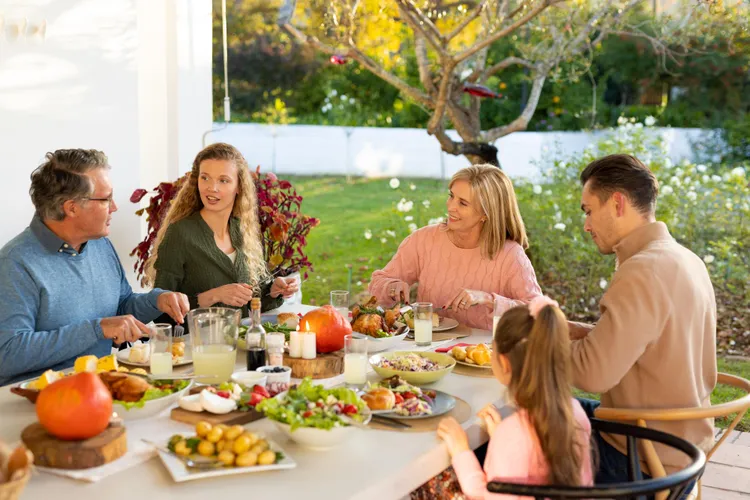
The word "restaurant" first described a bowl of soup. In 18th-century France it meant a rich, restorative broth, something served to a person who felt weak, and only later came to mean the place that sold it. That is a good place to start, because it shows how old the link is between food and care. The Sunday lunch that lasts all afternoon, the recipe card in a grandparent's handwriting and the soup you make when someone is unwell are all kitchen rituals, and a surprising amount of history and research sits behind them. Here is what we know about where they came from and why they matter.
Sunday Lunch: The Weekly Table
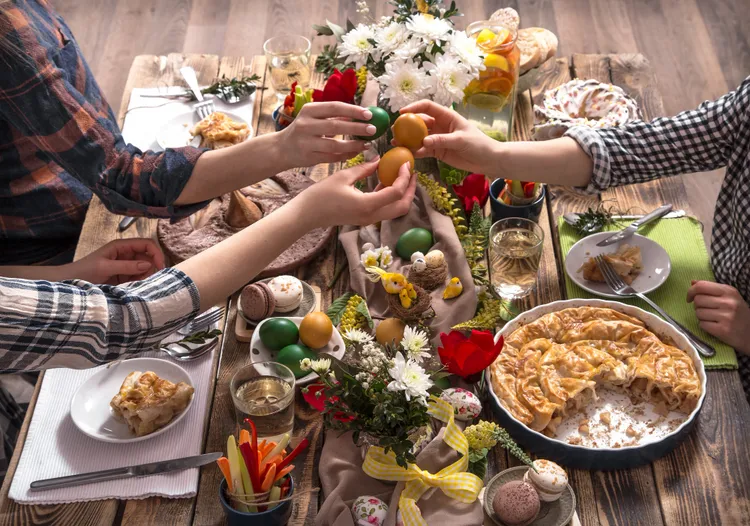
The Sunday meal is one of the most widespread kitchen rituals in Europe and in the places Europeans settled. It exists in different forms, but the logic is similar everywhere: one day of rest, one long meal, and a dish that could cook while people were out.
Where Did the Sunday Roast Come From?
Britain's Sunday roast took its modern shape in the 18th and 19th centuries, when families put a joint of meat in the oven before church and came home to a finished meal. The older story is more romantic.
The popular account traces the roast to 1485 and King Henry VII, whose royal bodyguards, the Yeomen of the Guard, are supposed to have been nicknamed Beefeaters for their love of roast beef. It is a good story, but food writers point out that there is no consensus on where the nickname really comes from. What is better documented is the later change. Through the 18th and early 19th centuries, families in parts of Britain began leaving a joint to cook in the oven while everyone was at church. In the 19th century the price of meat and fuel fell, and the habit settled in for good.
Yorkshire pudding, the usual companion, is a simple batter of flour, eggs and milk poured into a tin of sizzling fat, where the contrast between cold batter and hot oil makes it puff up. Beef is the classic roast, though lamb, pork and chicken are all common. If chicken is your Sunday bird, our guide to chicken cuts compared explains which parts suit roasting best.
Why Is the Italian Sunday Lunch So Long?
Because it is the weekly anchor of family life in many Italian households, and it traditionally followed late-morning Mass with no particular urgency to end. The pranzo della domenica commonly runs two to four hours, and in some regions it can stretch to five.
The meal is built in courses, usually an antipasto, a pasta or risotto, a meat or fish main, side dishes, dessert and coffee. It is often so substantial that dinner that evening is skipped or reduced to a little fruit and cheese. Everyone dresses up, the table is loud, and the end of the meal is often followed by the pennichella, a short nap. The tradition is changing, and many Italian families now say they cannot commit to every Sunday. Still, the habit of gathering has proved remarkably durable.
The dish most closely tied to it is il ragu della domenica, Sunday sauce. It is said to descend from the peasant custom of eating meat on that day, when the extended family could gather, and it simmers for hours with pork or beef ribs, sausages or meatballs. Italian Americans often call it Sunday gravy, and they argue about whether that is a fair translation of ragu. It is a good example of how the argument over names never ends, as we cover in classic dishes people argue about.
Family Recipes: Why Home Cooking Tastes Like Home
Why Does Grandma's Cooking Taste Better?
Partly because the food is tied to the people who made it. Psychologists call foods like this comfort foods, and research suggests part of their comfort comes from the company they remind us of.
In a 2011 study in Psychological Science, Jordan Troisi and Shira Gabriel proposed that comfort foods act as a kind of social stand-in. They found that students who wrote about a comfort food felt less lonely than students who wrote about a new food, particularly those who felt secure in their relationships. In a second experiment, eating chicken noodle soup made people think more about relationships, but only if they already considered chicken noodle soup a comfort food. The authors' explanation is that we associate these foods with close friends and family, often because those people made them or ate them with us, so the memory of the person and the memory of the food get tangled together.
Which food counts is personal. In a later replication attempt with Singaporean students, only about a quarter spontaneously named chicken noodle soup as a comfort food. The comfort belongs to the person, not to the soup. Taste is personal in other ways too: some people find that cilantro tastes like soap, which we explain in why cilantro tastes like soap to some people.
How Do You Save a Family Recipe?
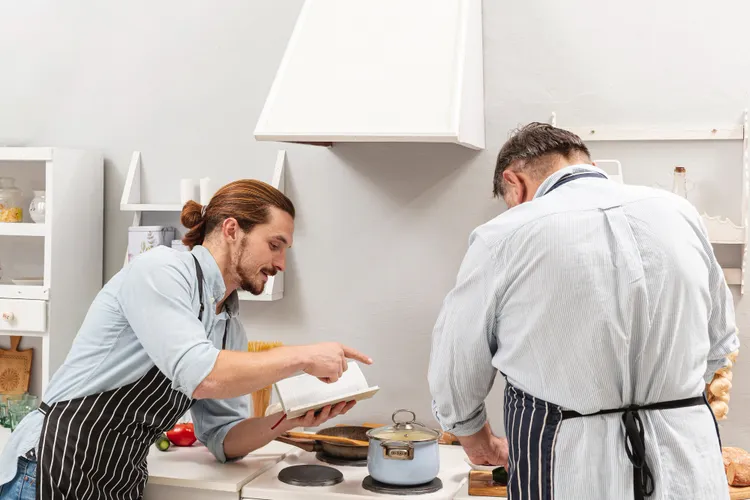
Cook it alongside the person who makes it, and write down what they do, not only what they say. Handed-down recipes tend to skip the things the cook takes for granted.
A few habits help:
- Weigh the "handful" or the "glass" while they cook, and write the number down. A kitchen scale turns a vague amount into something repeatable, and our guide to raw vs. cooked weight explains why it matters whether you weigh before or after cooking.
- Note the unspoken details: the pan, the heat, how long it really simmers and what it should look like when it is ready. Older recipes often leave out things like ingredient temperature, which is the reason behind room temperature eggs and unsalted butter in so many baking recipes.
- Record a short video or voice memo while they cook. The way someone describes a dish is part of the recipe.
- Write down the story, such as who taught it to them and when it was made. A recipe with a story is much more likely to be cooked again.
It also helps to remember that even the most traditional recipe has a history. The first printed Italian tomato sauce recipe dates only to 1692, a surprise covered in the surprising origin of everyday foods. Family recipes change with each generation, and that is part of how they stay alive.
Soup: The Food of Comfort and Care
Why Do We Make Soup for Someone Who Is Unwell?
Because people have treated broth as restorative for centuries, long before anyone could explain why. The French word restaurer means "to restore," and the original "restaurant" was a strengthening meat broth, not a building.
A famous story credits a Paris soup seller named Boulanger, around 1765, with opening the first restaurant under a sign promising "restoratives fit for the gods." The historian Rebecca Spang found no direct evidence that a person named Boulanger existed, so the story is probably a legend. Origin legends like this are everywhere in food, as we show in foods named after places, people or accidents. What is clear is that the word started with soup, and that within a few decades Paris had hundreds of restaurants. Chicken soup in particular has an old reputation as a remedy for a cold, with some accounts of physicians recommending it as early as the 12th century.
It will not cure a cold, but soup is warm, salty, hydrating and easy to eat when you have no appetite, and that makes it a sensible thing to give someone who feels unwell. It is also a ritual in the proper sense: a way of saying "I am looking after you" without having to say it. Soup is also where leftovers go to be useful, and if you have stale bread, soups like ribollita and pappa al pomodoro are the traditional destination, which is a good use of what we explain in why bread goes stale. Ribollita is usually finished with a drizzle of olive oil, and our guide to types of olive oil helps you choose one for finishing.
Small Rituals From Around the World
What Does Bread and Salt Mean?
In many cultures, offering bread and salt to a guest is a formal welcome. The custom is best known in Slavic countries but is also found in Baltic, Balkan and Middle Eastern cultures, and it is still common in places such as Albania and Armenia and among Jewish communities.
A round loaf is presented on an embroidered cloth with a small amount of salt on top or beside it, and the guest breaks off a piece, dips it in the salt and eats it. Salt was once expensive, so offering it was a gesture of real generosity. The tradition gave Russian the word khlebosolny, literally "bread-salty," meaning hospitable. An old belief holds that even enemies who share bread and salt will make peace. Bread used to be a household product made at home, which is part of why it carries such weight, as the history in how everyday foods changed over time shows.
What Does Itadakimasu Mean?
It is the phrase Japanese speakers say before eating, and it means roughly "I humbly receive." It is not a translation of "bon appetit," and it is not a religious grace.
The word comes from a humble form of the verb for receiving. In modern Japan it expresses thanks for the meal and for everyone and everything involved in it: the cook, the farmers and fishers, and the plants and animals that provided the ingredients. Children learn it before they start school, and it is said at home, in restaurants and at school lunch. After the meal comes its partner, gochisousama deshita, a thank-you for the feast. Even eating alone, it works as a short pause between the rest of the day and the meal.
Why Kitchen Rituals Matter
Researchers distinguish between routines and rituals. A routine is a regular activity such as dinner at six. A ritual carries meaning: according to the psychologist Barbara Fiese, who reviewed 50 years of research, rituals say "this is who we are" and provide continuity from one generation to the next. Her review of 32 studies found that family routines and rituals, including shared meals and holiday celebrations, were associated with stronger relationships, children's health and individual well-being. We look at some of the best-known examples in why we eat certain foods on certain holidays.
The research on family meals is more specific. A meta-analysis by Hammons and Fiese covering 17 studies and more than 180,000 children and adolescents found that those who shared three or more family meals a week were more likely to have a healthy weight and healthier eating patterns. The odds of overweight were 12 percent lower, and the odds of eating healthy foods were 24 percent higher.
There is an honest caveat. A later review by Fiese and colleagues concluded that, despite the common wisdom, evidence that shared meals themselves cause these benefits is limited, because many studies are weakly designed. Families that eat together may simply differ in other ways. The sensible reading is that shared meals are associated with good outcomes and are worth protecting, not that dinner is a medicine.
Starting a Kitchen Ritual of Your Own
A ritual does not need six courses or a grandmother's house. The research and the history point to the same few ingredients: regularity, shared effort and a little meaning attached. A few ideas that need almost no planning:
- A weekly soup night, with a pot of something simple that fills the kitchen with the same smell each week.
- One long, unhurried meal each weekend, even if it is only two people and a roast chicken.
- One family recipe a month, cooked with the person who knows it, and written down properly.
- A small phrase or gesture before the meal, whether a thank-you, a toast or a moment of quiet.
- A welcome for guests, even if it is only a loaf of bread and a bowl of salt on the table.
Quick Answers
Where does the Sunday roast tradition come from?
The modern version took shape in 18th- and 19th-century Britain, when families put a joint in the oven before church. The 1485 Henry VII story is popular but not well documented.
Why do Italians have such long Sunday lunches?
The pranzo della domenica traditionally followed Sunday Mass and is the weekly family gathering. It commonly lasts two to four hours and has several courses.
What is Sunday sauce?
It is a slow-simmered tomato and meat sauce, known as ragu della domenica in Italian and Sunday gravy among Italian Americans. It descends from the tradition of eating meat on Sundays.
Why does comfort food make us feel better?
Research suggests comfort foods are linked in memory with people close to us, so eating or thinking about them can ease loneliness. Which food comforts is personal.
Why do we eat soup when we are sick?
Broth has been seen as restorative for centuries, and the word restaurant originally meant a restorative broth. Soup is warm, hydrating and easy to eat, though it does not cure a cold.
What does bread and salt mean?
It is a traditional welcome for guests in Slavic, Baltic, Balkan and Middle Eastern cultures, symbolizing hospitality, prosperity and good health.
What does itadakimasu mean?
It means roughly "I humbly receive" and is said before a meal in Japan to express thanks to the cook, the producers and the ingredients themselves.
Are family meals good for you?
Studies link regular family meals with healthier eating and well-being in children, but researchers say the evidence that the meals themselves cause those benefits is limited.
Latest